Ramah Bay – Bears, Ancient Quarries and an Unexpected Adventure
We were woken early by an announcement that every expedition passenger secretly hopes to hear: polar bear sighting!
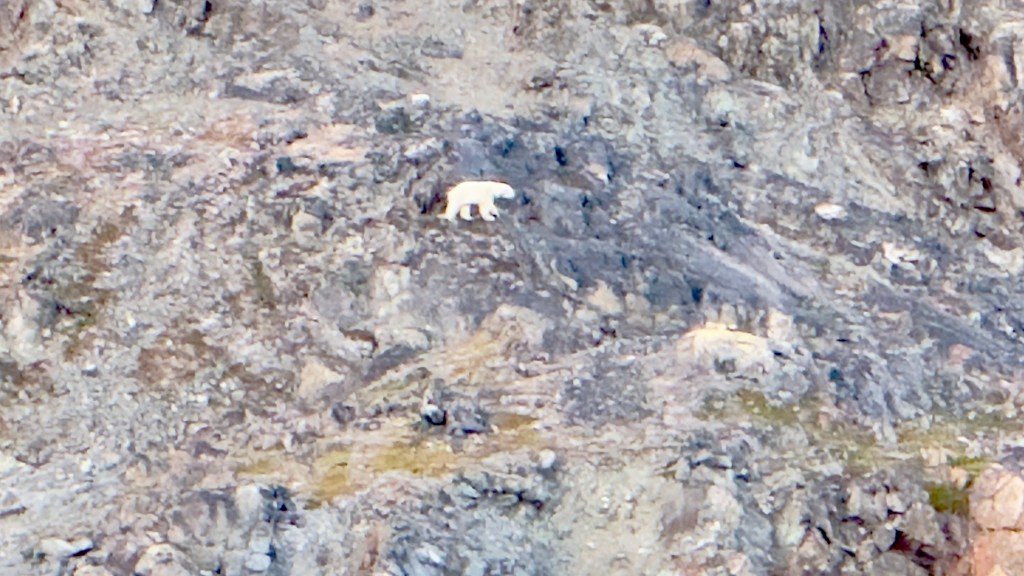
The ship began manoeuvring so that as many people as possible could get a view. The bear was there, somewhere in the distance, but spotting it was definitely a case of now you see it, now you don’t. I managed to get some video footage, although my photos weren’t exactly National Geographic quality. I was beginning to wish I’d brought my much better camera!
After breakfast, we got ourselves ready for our landing at Ramah Bay.
Walking through history
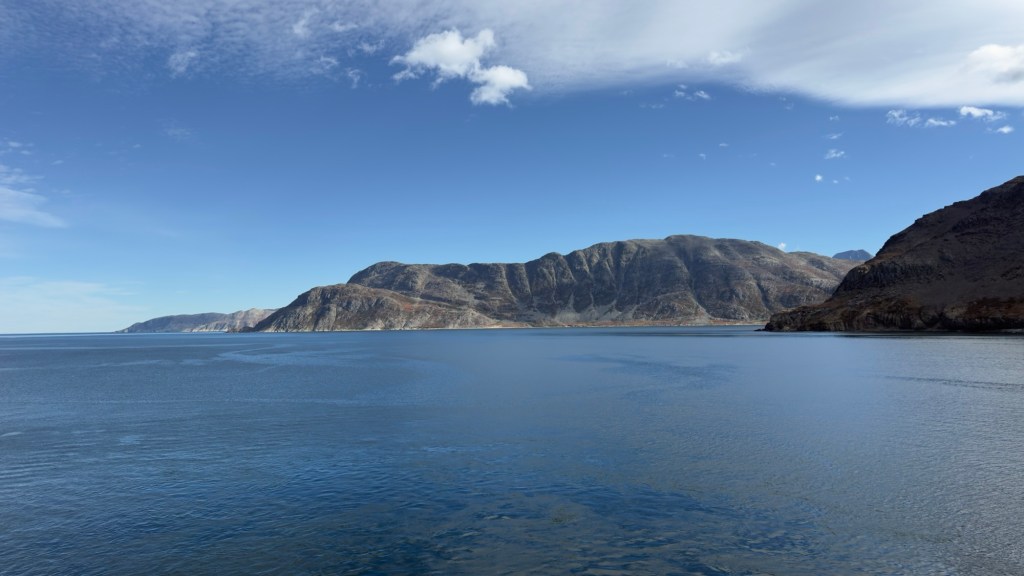
We landed on the beach and walked as far as we were permitted. Ramah has a fascinating human history, with evidence of people having lived and worked here for thousands of years.
There was once a Moravian missionary settlement, established in the 1870s and lasting until the early 1900s. Today, very little remains above ground, but we could still see the mounds and traces where houses once stood.
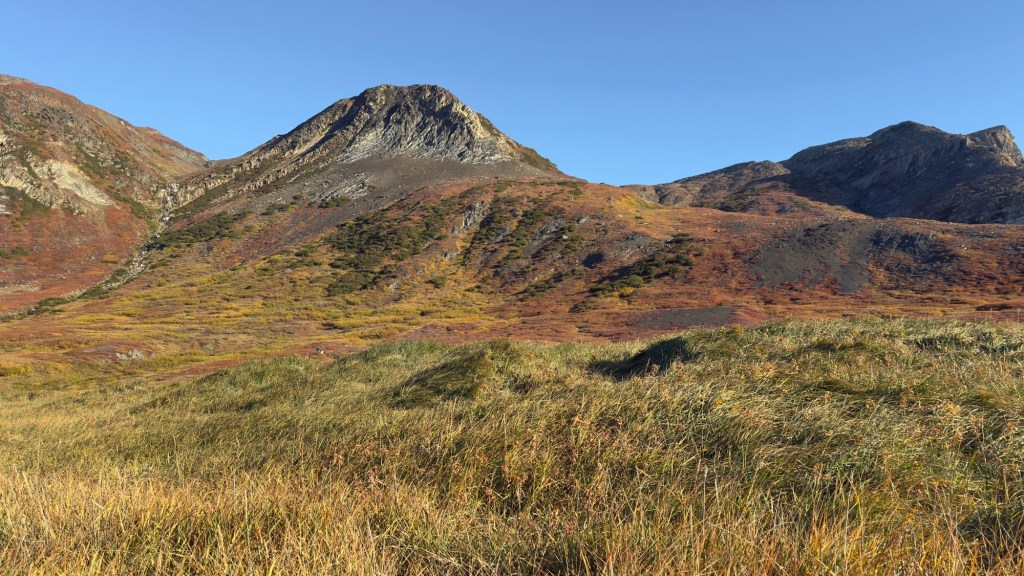
The early settlers had to cope with an unforgiving environment. Wooden houses were built and covered with animal skins for extra protection from the cold. Heating and cooking relied on whatever was available, including burning wood and using blubber oil for warmth and light.
Among the remains we found was an old iron-cast, wood-fired oven — a broken but surprisingly tangible reminder of the people who once lived here.
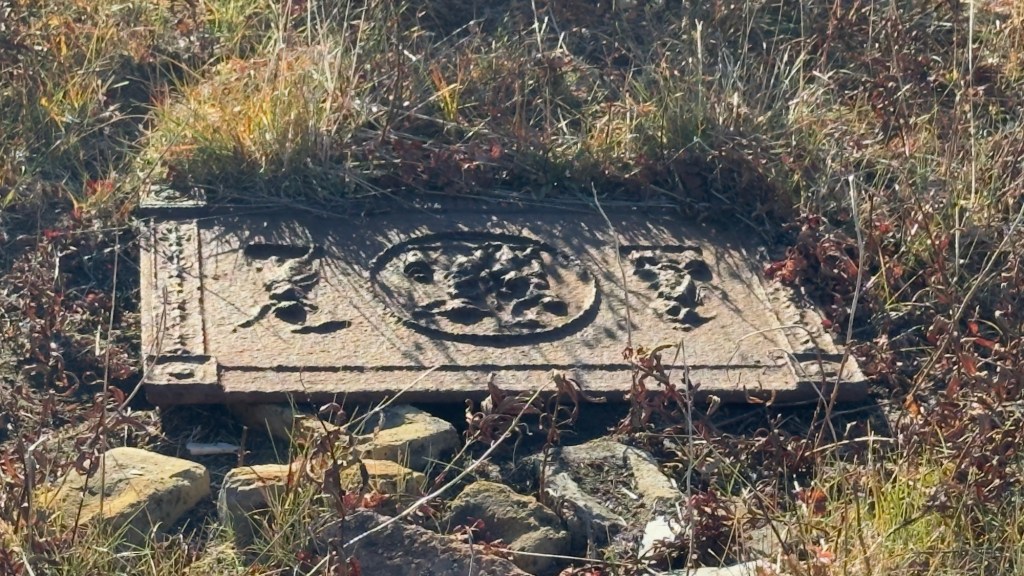
But the history of Ramah goes back much further than the Moravian settlement.
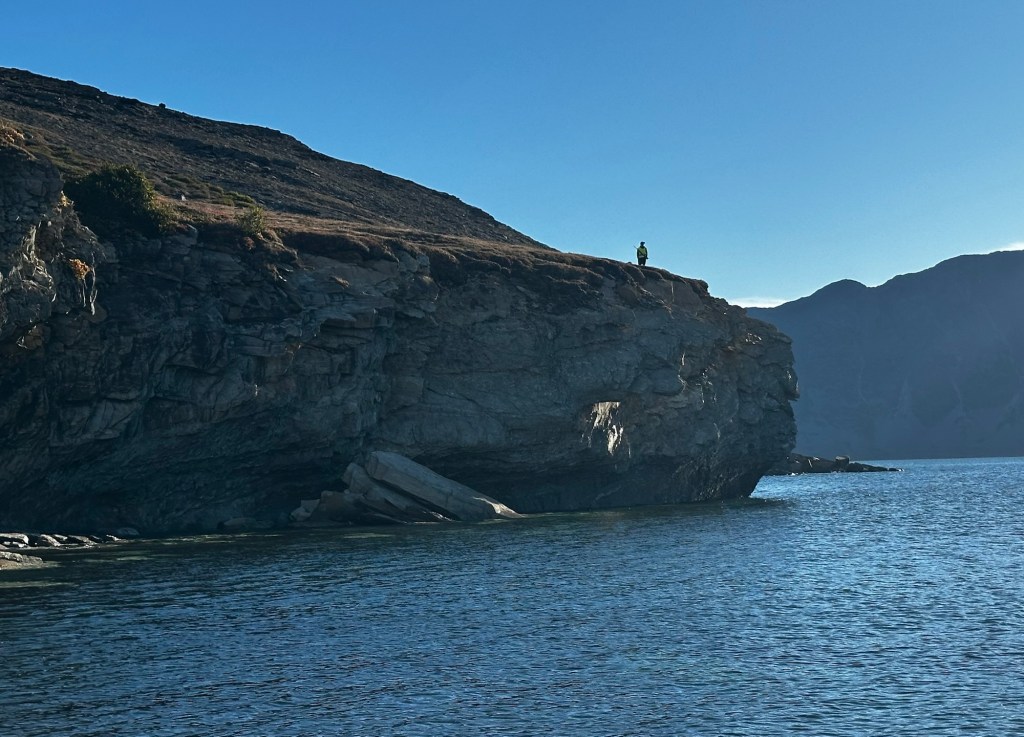
This area is home to Kitjigattalik – the Ramah Chert Quarries National Historic Site, where Indigenous peoples extracted a distinctive, semi-translucent stone known as Ramah chert. It was highly valued for making tools and weapons, and people were coming here to collect it more than 7,000 years ago.
Walking through the landscape knowing that people had been quarrying stone here thousands of years before the pyramids of Giza were built was quite something.
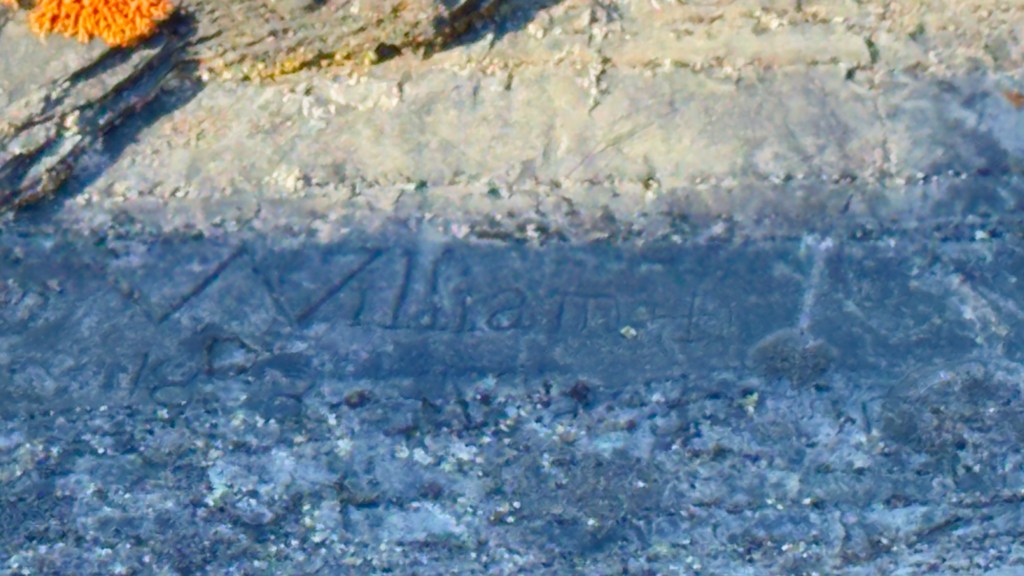
We also came across a huge rock covered with names and dates left by people who had lived in the area over the years. It felt like a much more recent layer of history sitting alongside one that stretches back thousands of years.
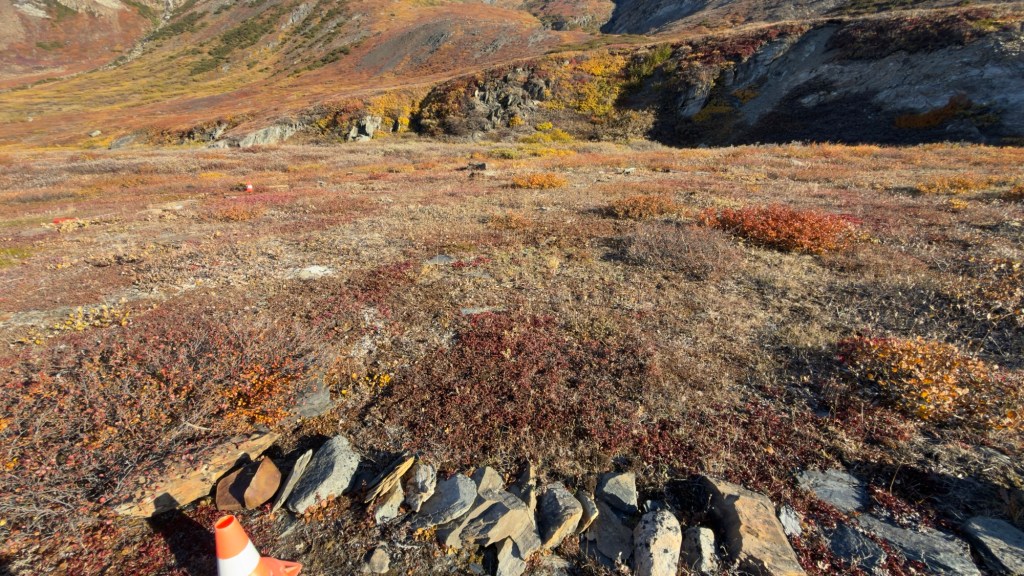
We continued towards a burial site, although we weren’t allowed to walk around it, out of respect for the site and its importance.
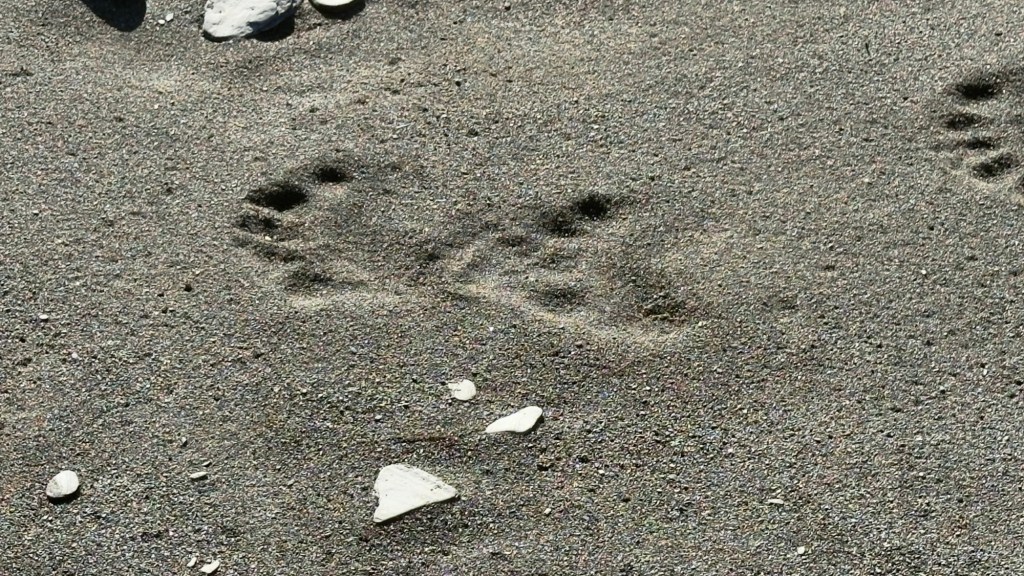
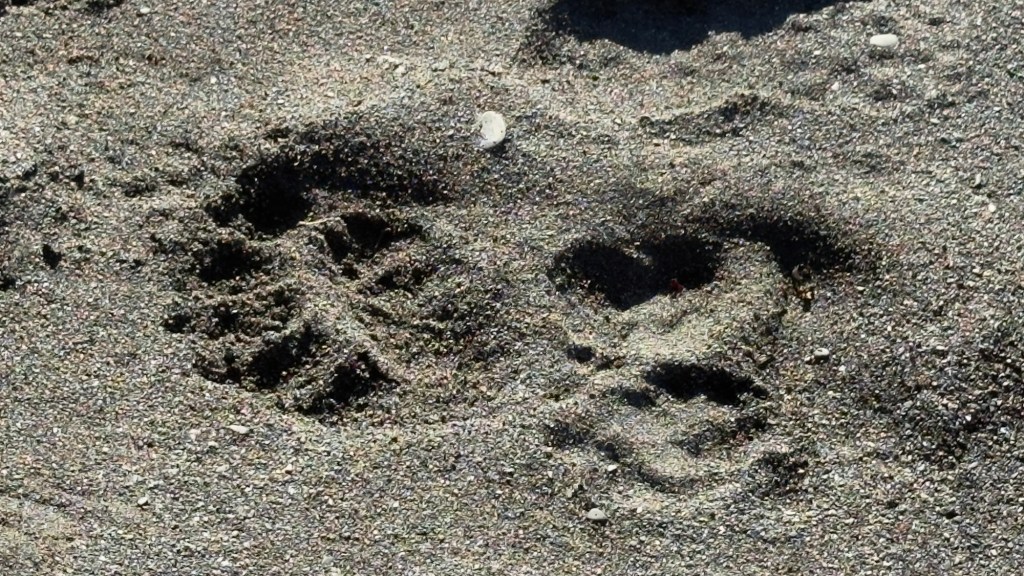
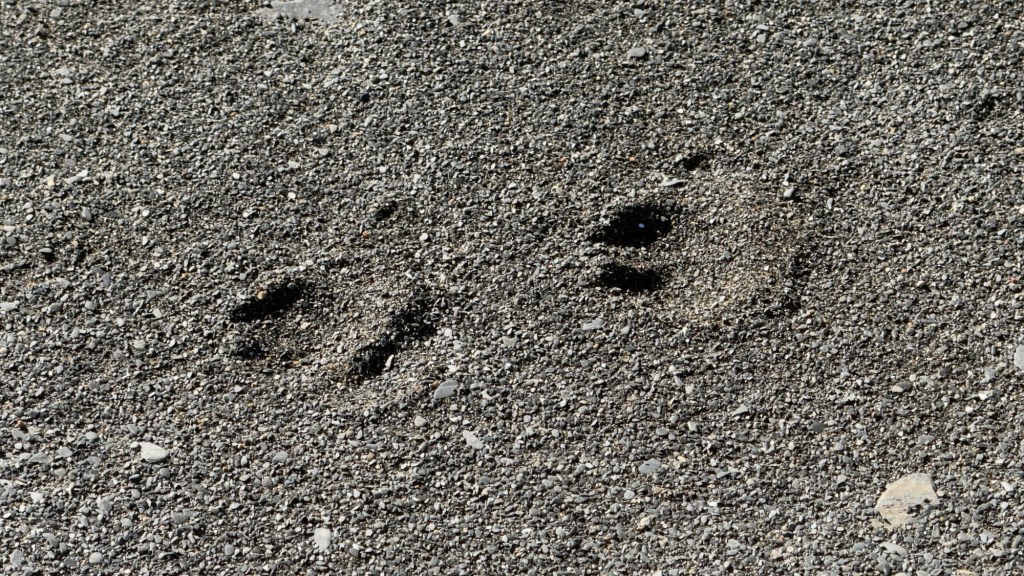
Further along the beach, someone spotted tracks in the sand. They were thought to be from either a polar bear or a black bear, and we also spotted Arctic fox tracks. Suddenly, every footprint became worthy of investigation!
Sunshine, hot tubs and another bear
Back on the RIB, we returned to the ship and took advantage of the sunshine. I headed straight for the hot tub — not something I ever expected to be doing in Arctic Canada — and it was absolutely lovely.
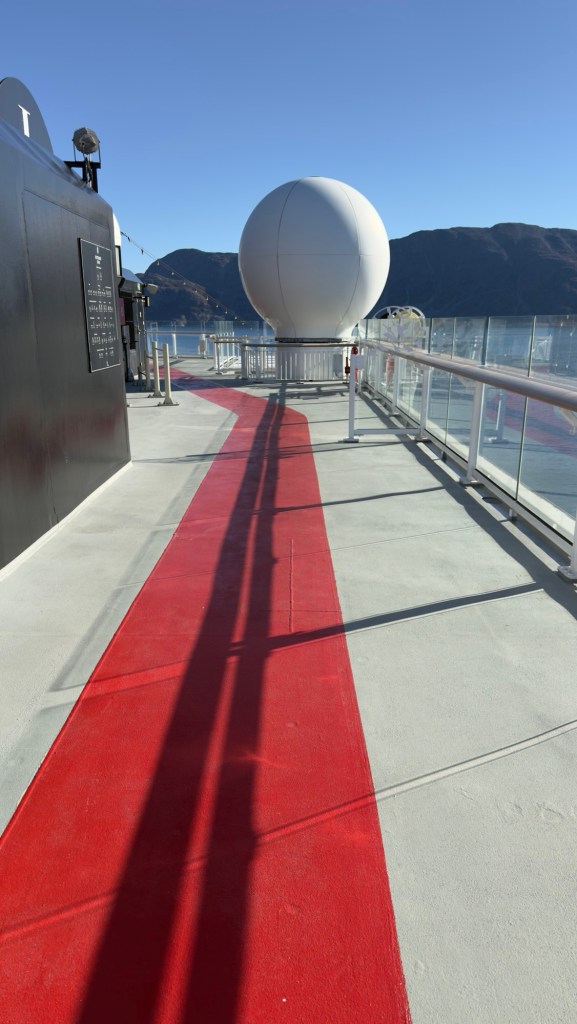
Afterwards, I walked a mile around the top deck before settling down on Deck 10 in the sunshine.
We had lunch and were enjoying a relatively peaceful afternoon when another announcement came over the ship.
Another polar bear had been spotted. It was the same area as the one we’d seen earlier.
We were supposed to be cruising at around 2:35pm, but suddenly those plans were changing. The ship set off just before 2pm, and by 3:20pm the rearranged wildlife cruise was ready to go.
And then came the surprise.
It turned out that we were going to get a much closer look at the polar bear we’d heard about earlier.
Up close with an Inuit bear guard
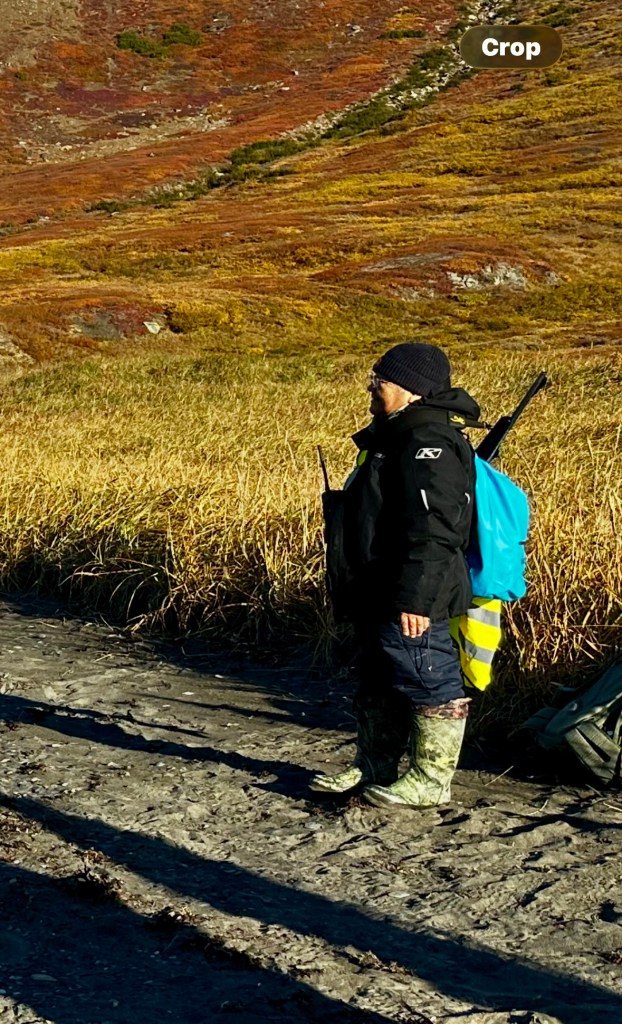
We climbed aboard a Zodiac and were joined by one of the Inuit bear guards.
She was absolutely fascinating.
She shared stories about life in the Arctic, including hunting seals, dealing with bears and recognising signs that caribou were in the area. She had lived an extraordinary life and, as a divorced mother of five, had plenty of stories to tell.
I could honestly have listened to her all day.
At one point she reached into a packet and I assumed she was about to produce some sort of Arctic delicacy — perhaps dried beef, reindeer, seal or even whale.
No such luck!
Instead, she produced some sweets that turned your tongue blue. She kindly offered me some, and I couldn’t say no. It was a wonderfully funny little moment in the middle of an otherwise very Arctic experience.
She also had traditional-looking tattoos on her face and hands, which added another fascinating dimension to her story and connection with Inuit culture.
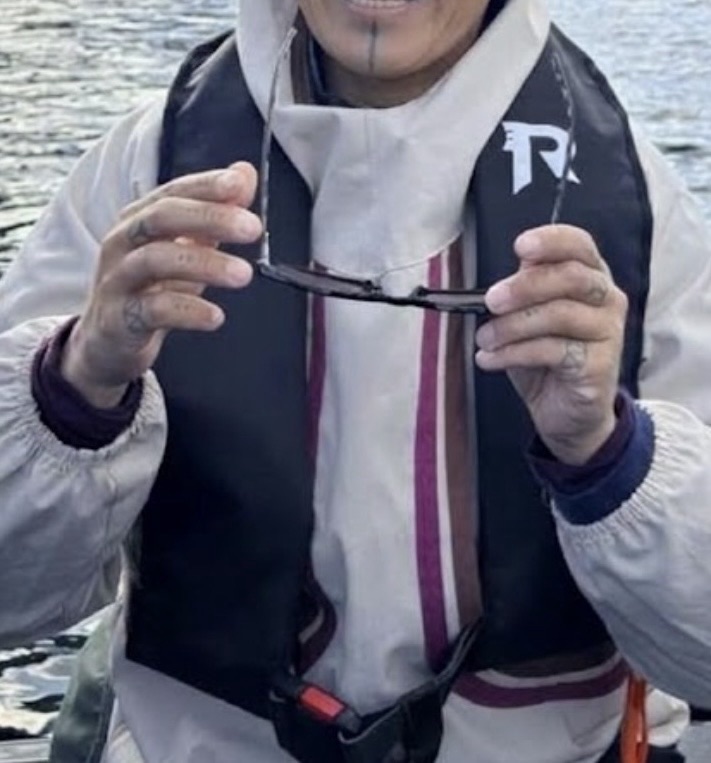
Between the wildlife, the landscape and her stories, this unexpected Zodiac trip became one of those experiences that you know you’ll remember for a very long time.
We were shown the site of the ancient chert quarry itself, where the Maritime Archaic people once worked the stone. It was incredible to be in a place where people had been returning for generations upon generations to obtain material that was essential to their survival.
Eventually it was time to head back and get ready for dinner. We stopped at the bar for a drink, followed by a cocktail later in the evening.
Another day of our expedition was over.
Ancient quarries, Arctic fox tracks, three polar bear sightings, sunshine, a hot tub and an unforgettable conversation with an Inuit bear guard.
Not a bad day in the Arctic.
Next: South to Hebron


Leave a Reply