From Bosnia and Herzegovina to Dubrovnik: A Journey Back to the Adriatic
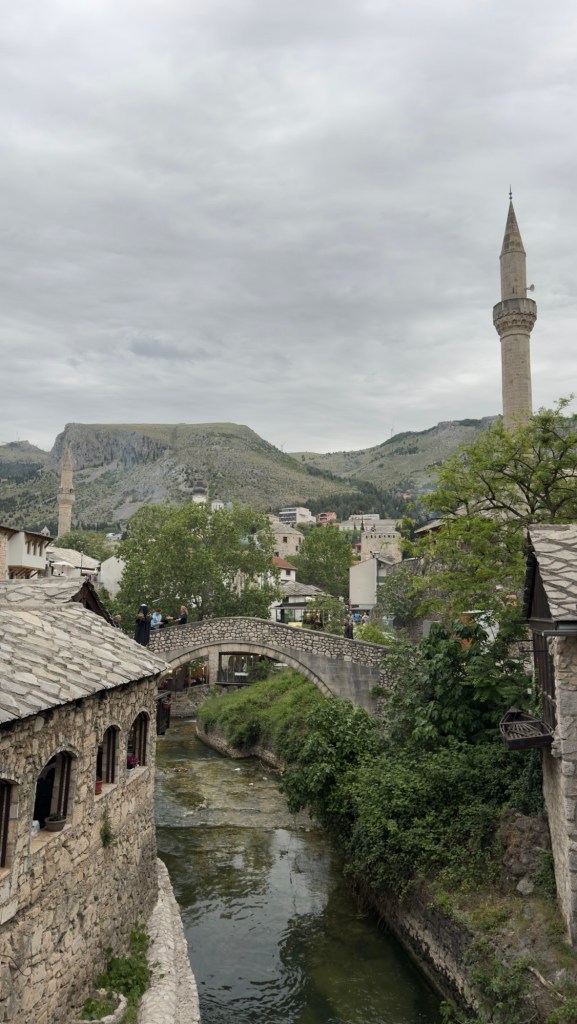
An early start came naturally, helped along by the familiar sound of the call to prayer echoing across the city at 5am. In Bosnia and Herzegovina, the adhan is still an important part of daily life, particularly in areas shaped by centuries of Ottoman influence. Hearing it drift through the quiet streets before sunrise felt like a fitting soundtrack to our final morning in Herzegovina.
After finishing the last of the packing, we collected a thoughtfully prepared lunchbox from reception to make up for missing breakfast. The hotel kitchen had packed fresh sandwiches which turned out to be one of the highlights of the morning — simple, delicious, and exactly what was needed before a long journey.
Waiting for the Bus
A taxi took us to the bus station, where we were promptly informed by a lady in the depot that our bus was already running half an hour late. In true Balkan travel fashion, that estimate turned out to be optimistic. The coach eventually arrived an hour and twenty minutes behind schedule, departing at 8:20am instead of 7:00am.
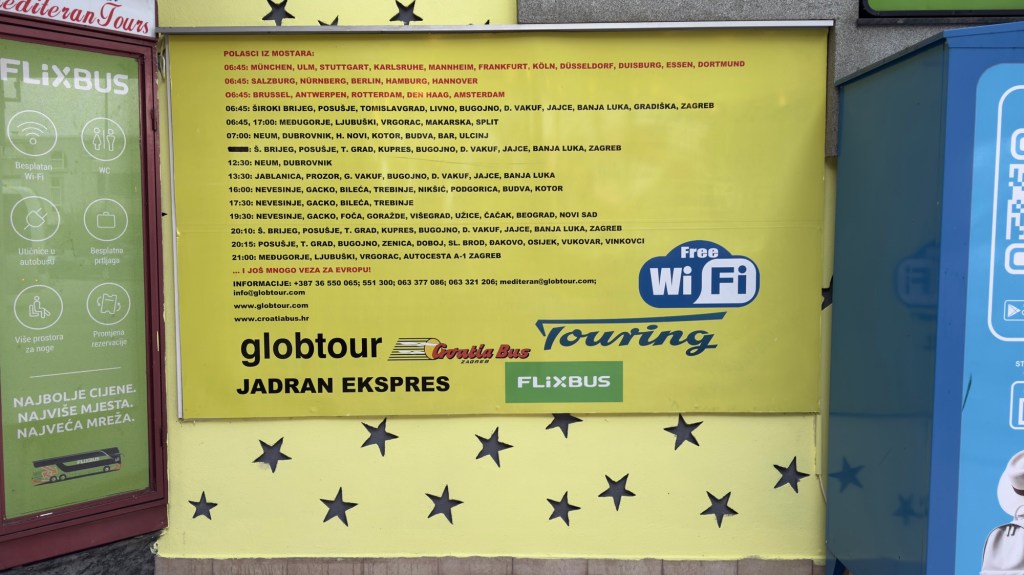
Despite the delay, there was something reassuringly familiar about long-distance bus travel in the region. The coaches may not be luxurious, but they remain one of the most important ways of travelling through the Balkans, linking towns and cities separated by mountains, rivers, and complicated borders.
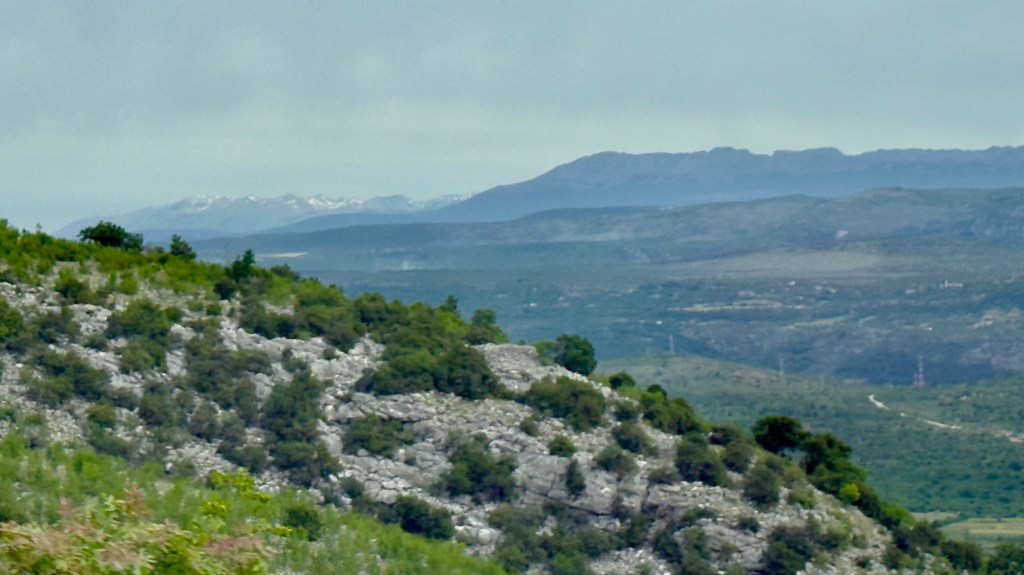
The journey itself was fairly standard, although after four hours the scenery began to blur together and the miles dragged. Still, travelling through this part of the world offers glimpses of dramatic limestone mountains, small villages clinging to hillsides, and reminders of the region’s complex past.
Crossing the Border
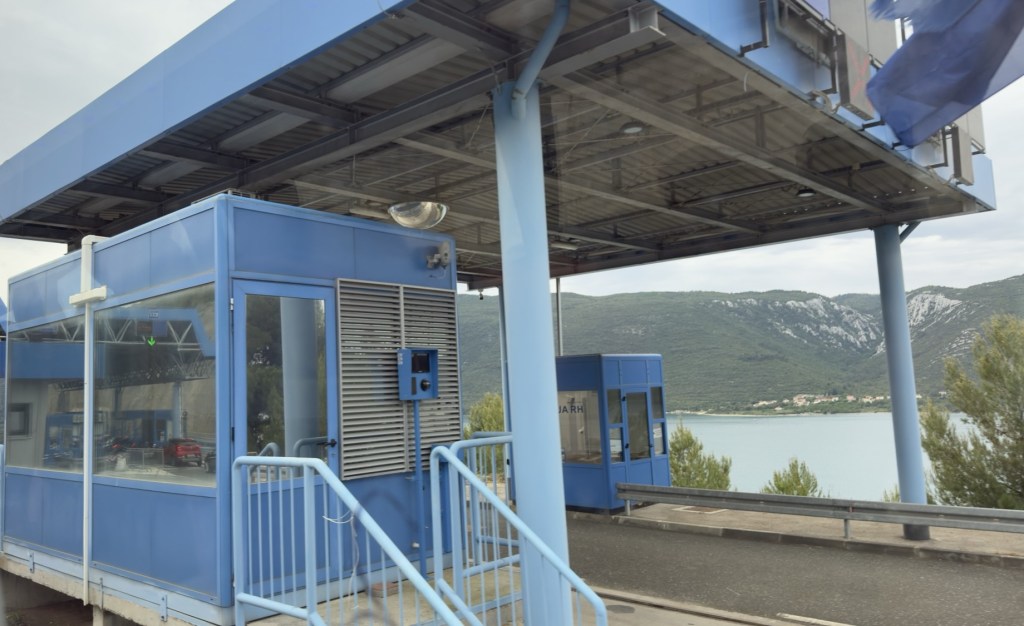
Eventually we reached the border between Bosnia and Croatia. Thankfully, there was very little traffic, though the crossing itself became delayed because of issues with paperwork involving the two coach drivers rather than the passengers.
Border crossings in the Balkans can often feel unpredictable. Bosnia and Herzegovina is not part of the European Union, while Croatia joined the EU in 2013 and later entered the Schengen Area in 2023. As a result, the crossing represents not just a national border but also an external EU frontier.
After what felt like an unnecessarily long wait for paperwork to be resolved, we were finally on our way again.
Arrival in Dubrovnik
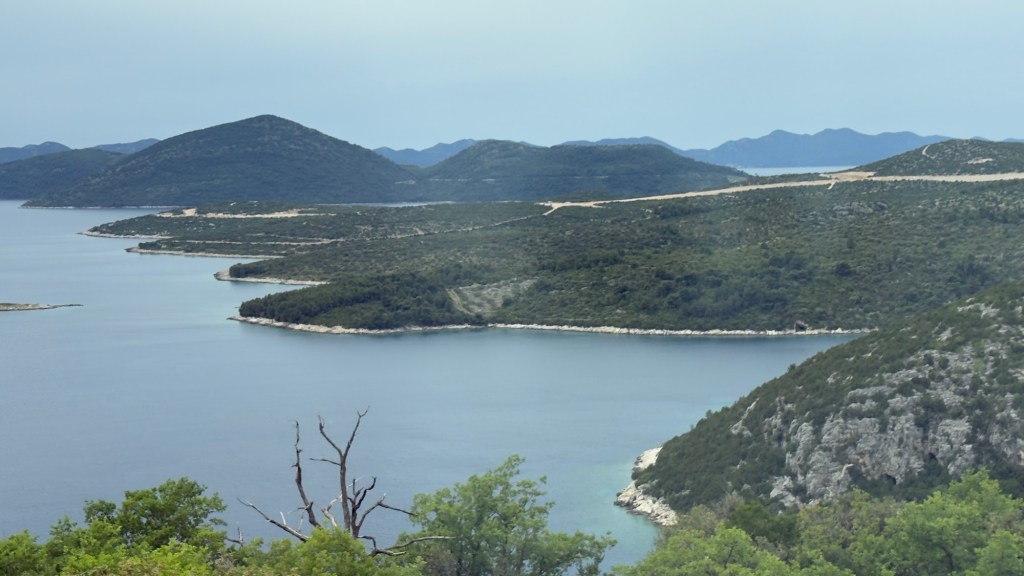
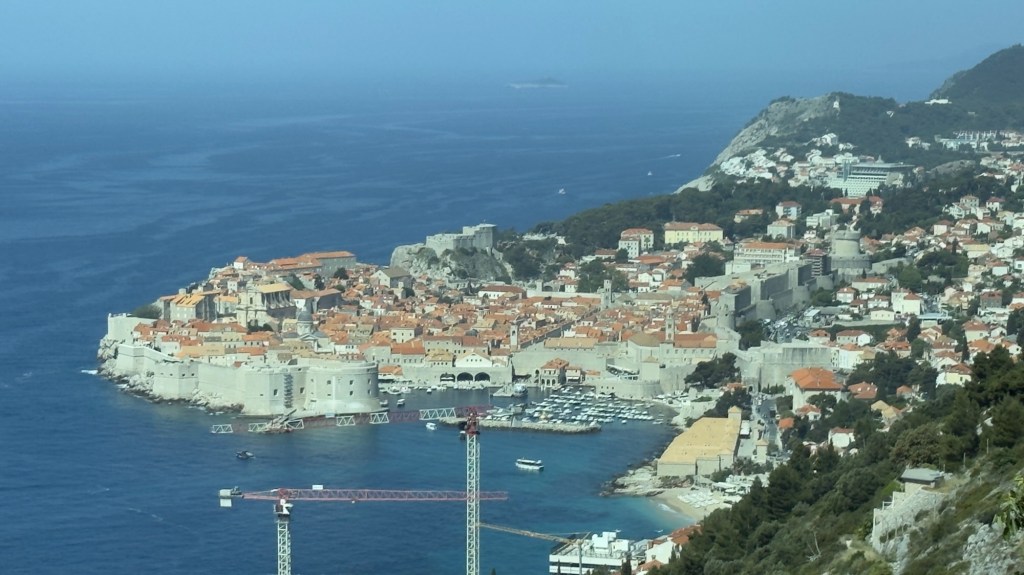
Arriving in Dubrovnik always feels special. Known historically as the Republic of Ragusa, the city developed into one of the Adriatic’s great maritime powers during the medieval period. Its merchants traded across the Mediterranean while the city maintained independence through skilled diplomacy for centuries.
We found a taxi outside the station, and a lovely lady driver took us to Villa Orabelle. Being allowed to check in early felt like a luxury after the long journey.
Once settled, we opened the complimentary bottle of wine and sat on the balcony overlooking the Adriatic Sea. After days of travelling through inland Bosnia and Herzegovina, the sight of the sparkling coastline felt wonderfully calming.
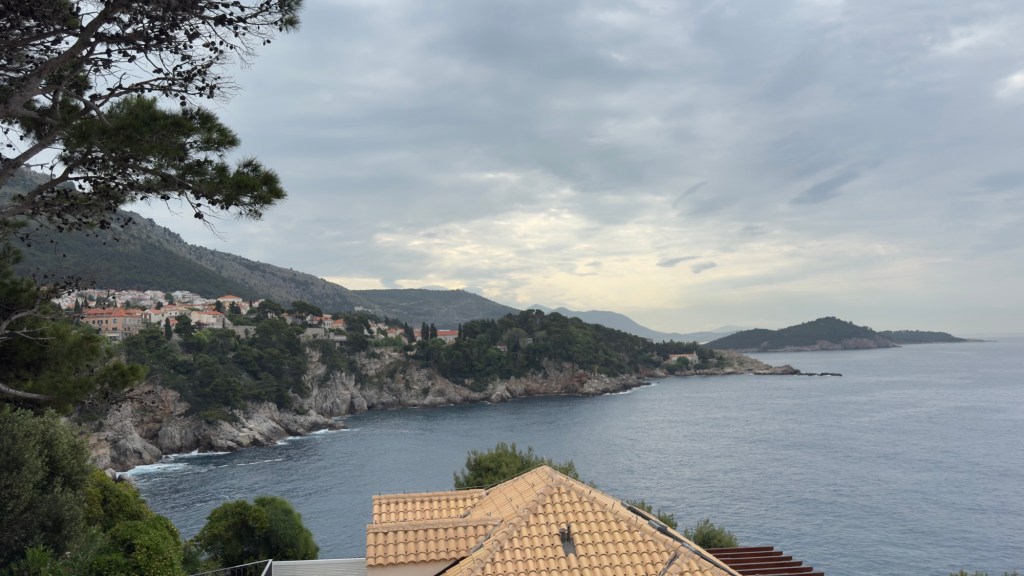
A shared Caesar salad and chips arrived via room service — light, simple, and exactly right before heading out for the evening.
Returning to the Old Town
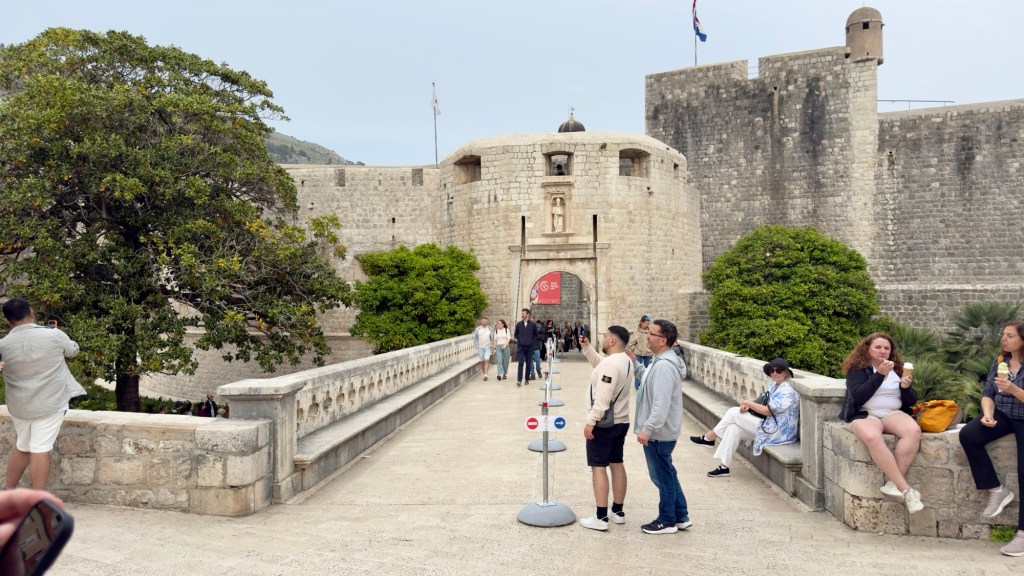
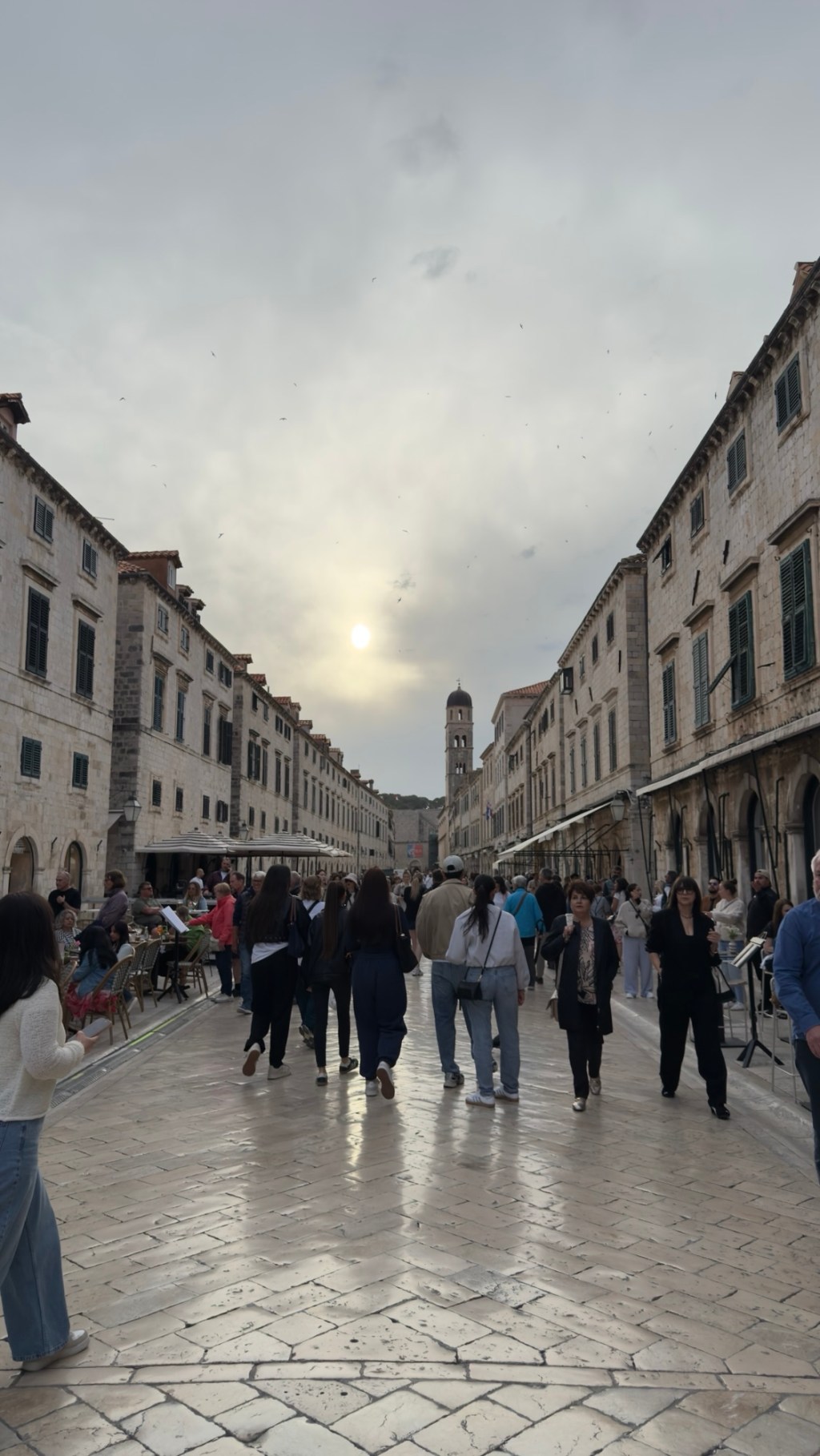
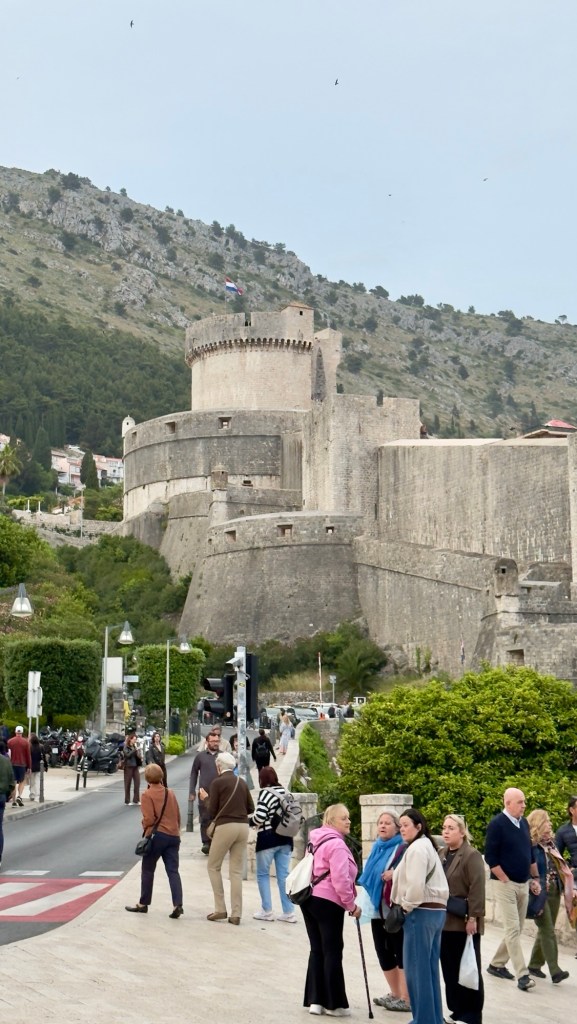
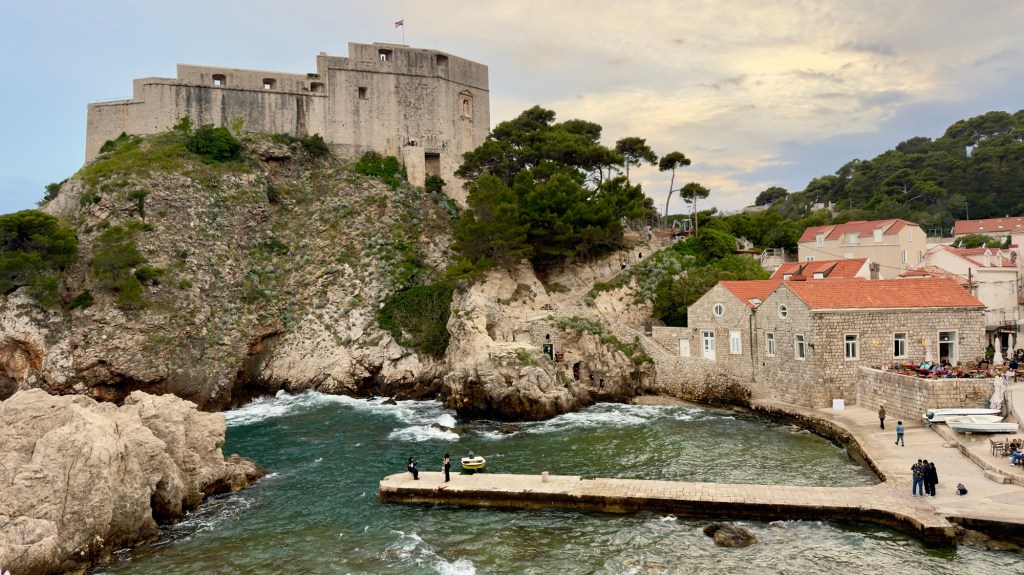
Later, we walked towards Dubrovnik’s famous Old Town, entering through Pile Gate. Built in the 16th century, the gate once formed part of the city’s formidable defensive system. Dubrovnik’s walls, stretching almost two kilometres, protected the republic from invasion for hundreds of years and remain among the best-preserved fortifications in Europe.
Walking down the main street, the Placa or Stradun, brought back memories from our previous visit. The polished limestone pavement, worn smooth by centuries of footsteps, glowed beneath the afternoon light.
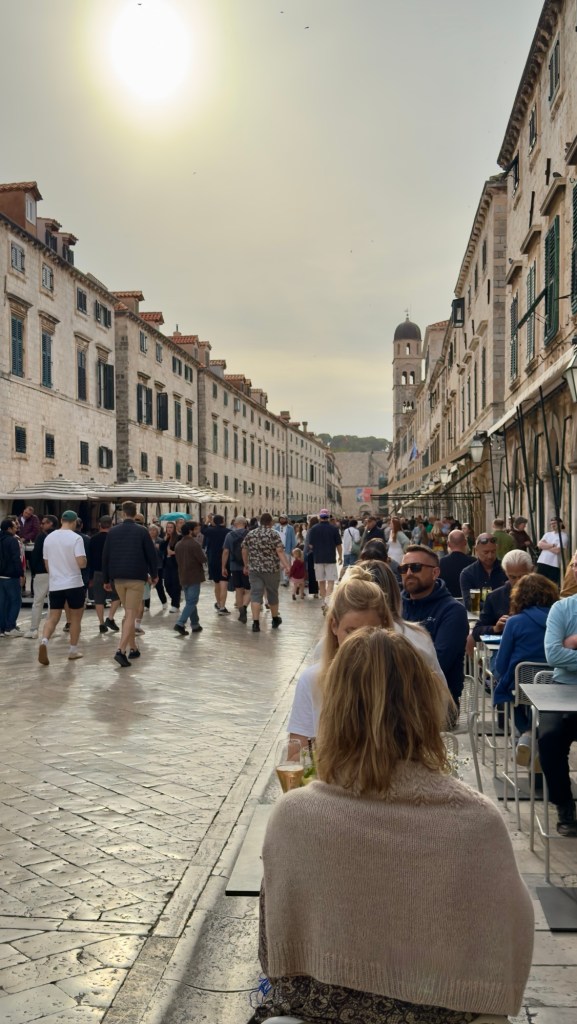
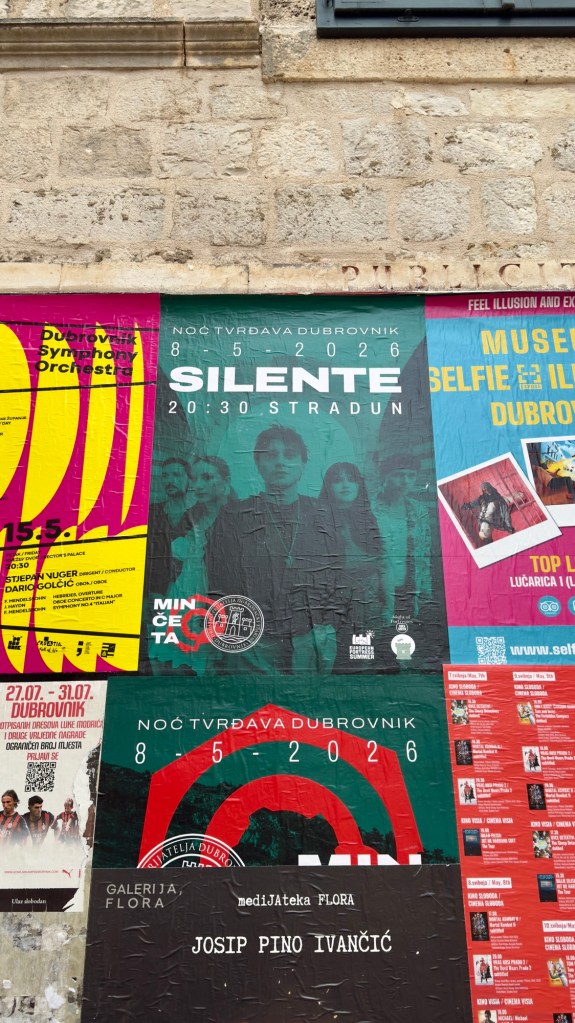
We stopped at a bar called Stradoon, perfectly positioned for watching the world go by. Behind us, a band was carrying out a sound check on stage for that evening’s performance. The group, Silente, are a popular Croatian pop-rock band who have enjoyed major chart success across the region.
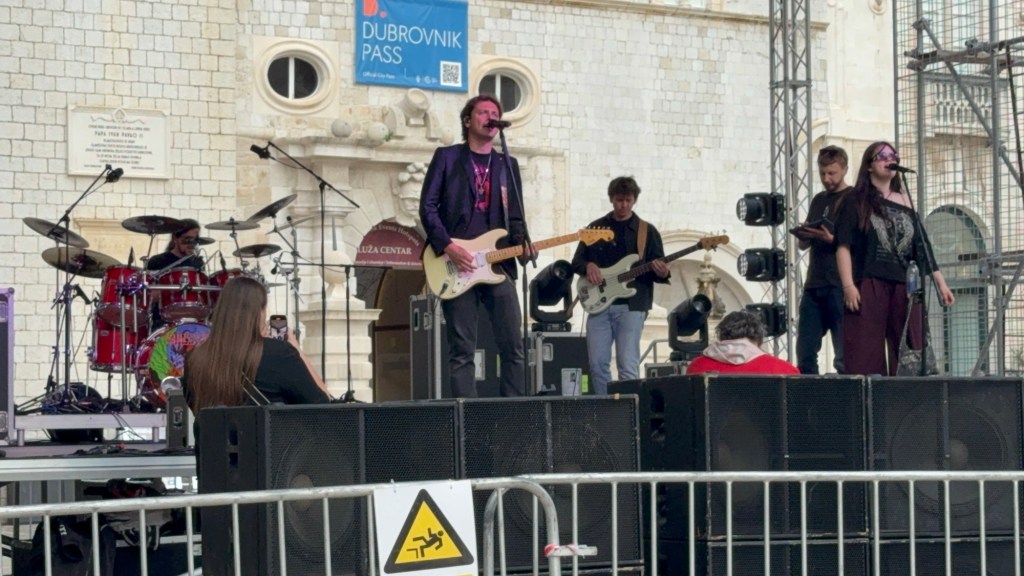
The music became increasingly loud as we sat, so we left and wandered through the streets, eventually spotting posters around the Old Town advertising the concert. Dubrovnik in the evening has an entirely different atmosphere — part historic monument, part lively summer festival.
A Special Final Evening
As the evening drew on, we found ourselves near the outer edge of the city walls at Nautika. The restaurant had been booked as a special treat for JC’s 60th birthday, and it proved to be a perfect choice for our final night away.
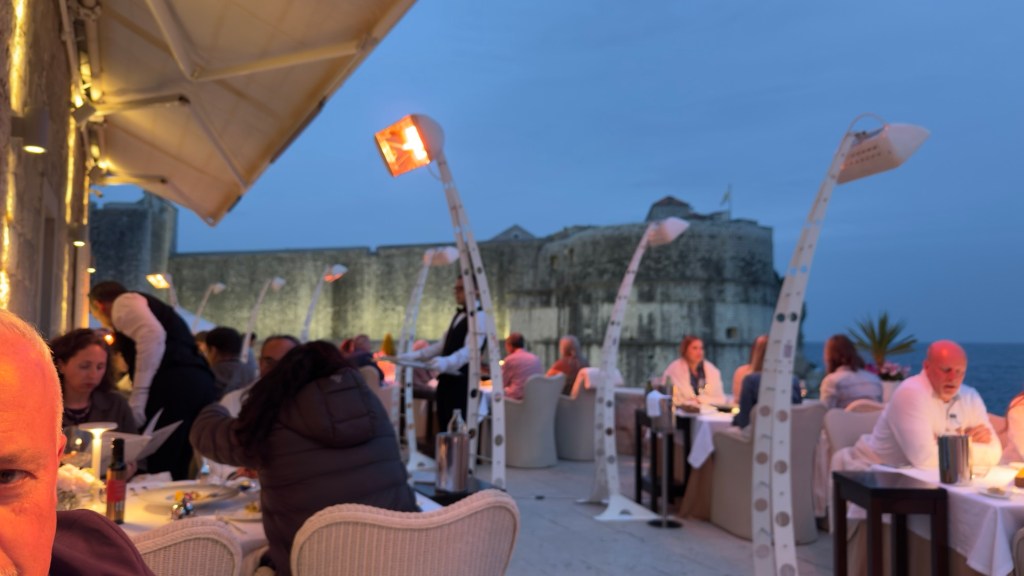
With views across the Adriatic and towards Dubrovnik’s ancient fortresses, it felt like a fitting end to an unforgettable journey through Bosnia and Herzegovina and Croatia — from mountain railways and Ottoman history to medieval walls and the sea.
A Balkan Adventure to Remember
Our holiday was a journey through history, culture, scenery and celebration across Bosnia and Herzegovina and Croatia. From the Ottoman-influenced streets of Sarajevo and the rivers and bridges of Mostar to the relaxed charm of Trebinje and the medieval walls of Dubrovnik, every stop offered something different.
We travelled by train through dramatic mountain landscapes, crossed borders shaped by complex history, explored old towns filled with centuries of stories, and experienced both the scars of war and the warmth of local hospitality. There were memorable meals, local wines such as Žilavka, riverside walks, bustling cafés, calls to prayer echoing at dawn, and our last evening spent on the Adriatic coast.
The trip also became a special way to celebrate JC’s 60th birthday — with moments ranging from simple balcony drinks and wandering ancient streets to a final celebratory meal at Nautika overlooking the sea.
More than anything, it was a holiday full of contrasts: mountains and coastline, lively cities and peaceful evenings — all tied together by unforgettable scenery, fascinating stories and shared experiences.
Adhan
The Muslim call to prayer, known as the Adhan or Athan, is a vocal announcement made five times a day to summon Muslims to their obligatory prayers. Traditionally delivered by a muezzin from the minaret of a mosque, the Adhan is both a practical call to worship and a public expression of faith. Its words proclaim the greatness of God, affirm belief in one God and recognise the Prophet Muhammad as His messenger.
The five daily prayers take place at specific times throughout the day: Fajr at dawn, Dhuhr at midday, Asr in the afternoon, Maghrib at sunset and Isha at night. The phrases within the Adhan include “Allahu Akbar” (“God is the Greatest”) and “Hayya ‘ala al-salah” (“Come to prayer”), encouraging worshippers to pause from daily life and focus on spirituality.
The tradition dates back to the 7th century during the lifetime of the Prophet Muhammad and continues to hold deep religious and cultural significance across the Muslim world today.


Leave a comment