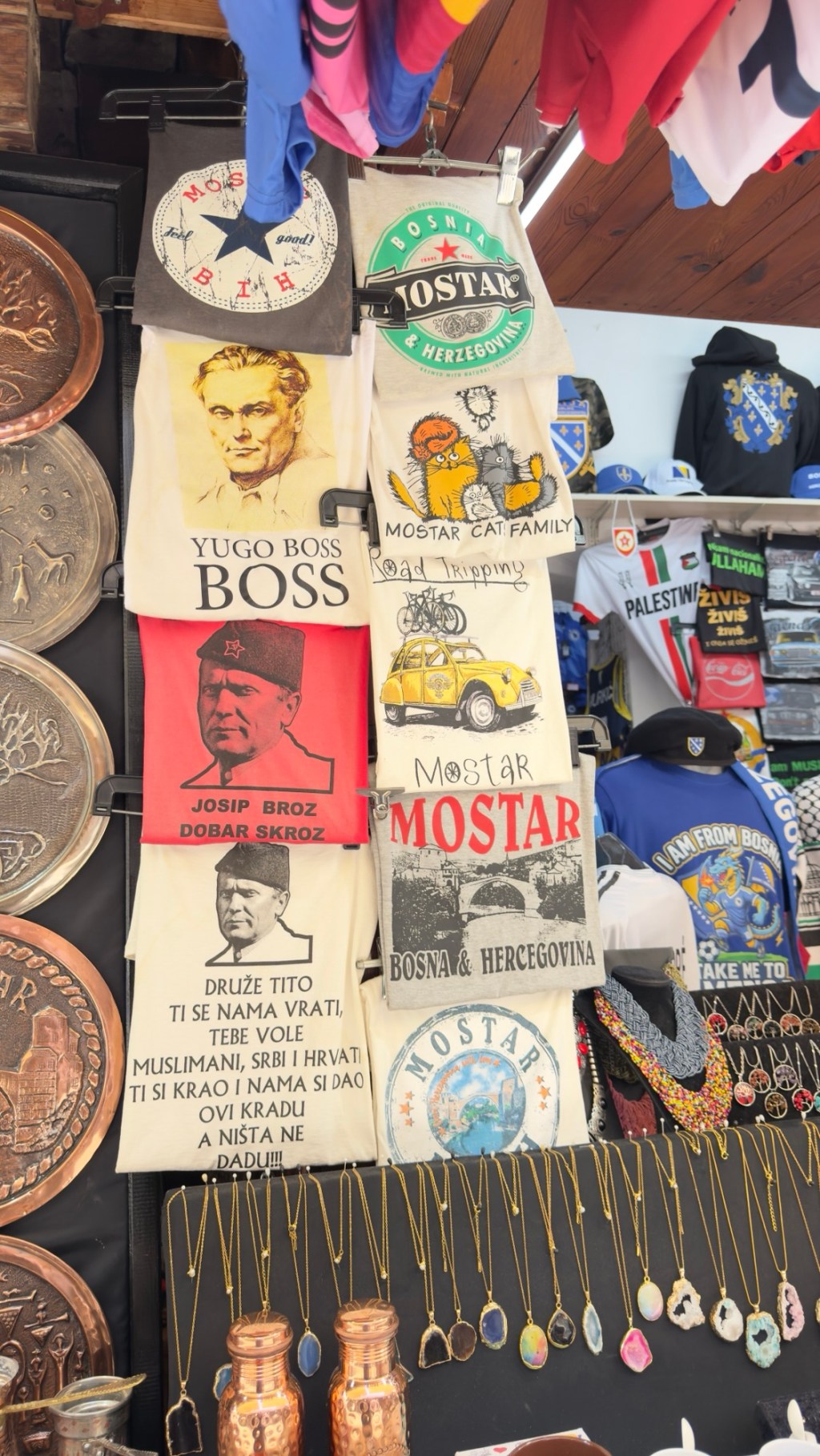
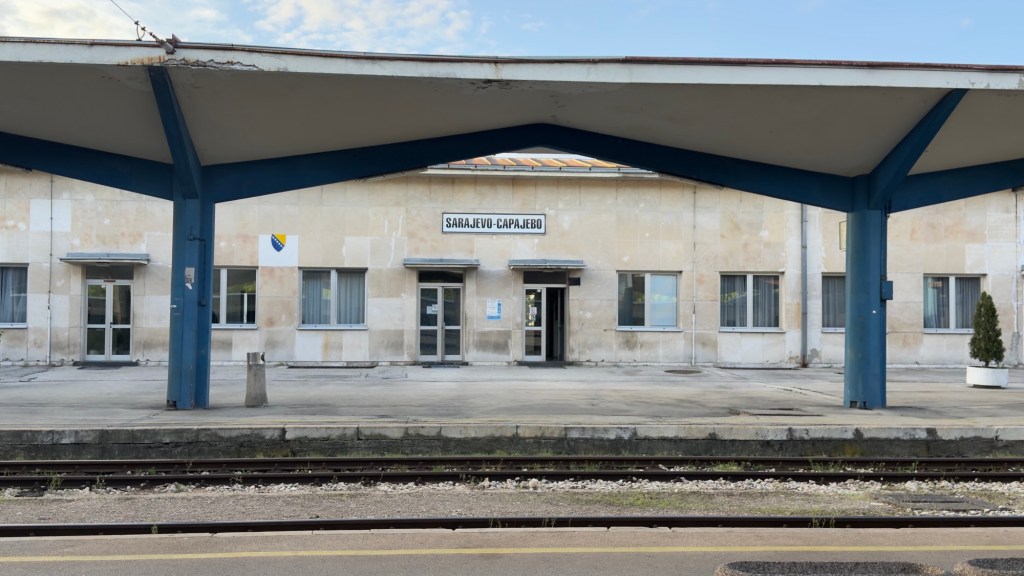
The alarm sounded painfully early at 5:15am, but there was something exciting about heading out into the quiet streets before sunrise. With bags packed and eyes still adjusting to the day, we made our way by taxi to Sarajevo Railway Station for the next part of our Bosnian adventure.
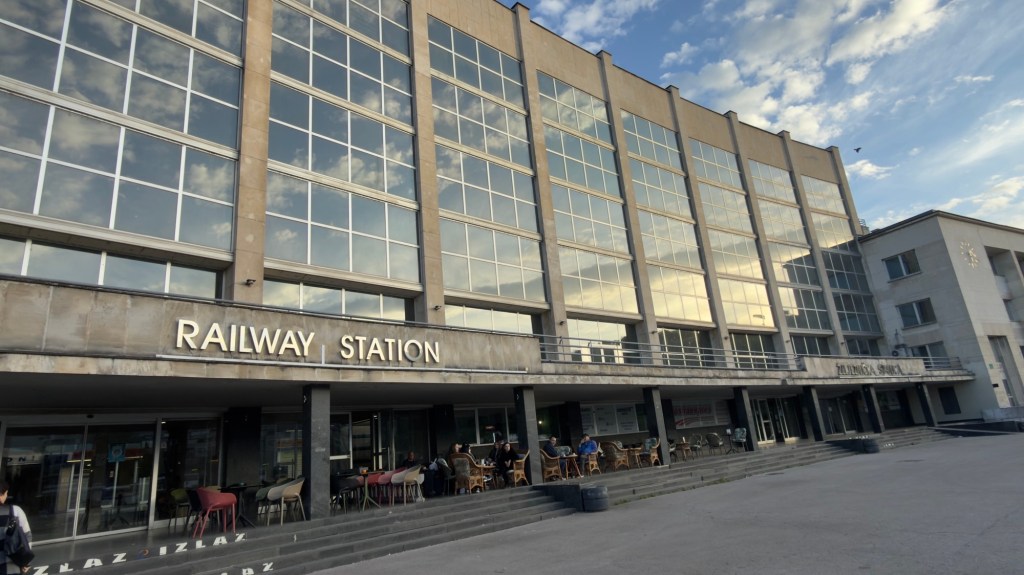
Boarding the Train to Mostar
After collecting our pre-booked tickets from the ticket office, we headed to Platform 2 for train number 723 to Mostar, leaving on schedule at 07:15. The Sarajevo to Mostar railway is often described as one of Europe’s most scenic train journeys, and it certainly lived up to its reputation.
As Sarajevo sits at a much higher altitude than Mostar, part of the journey genuinely felt as though we were slowly rolling downhill through the mountains. The landscape constantly changed outside the window — dramatic rocky peaks, scattered villages, tunnels cut through the mountainsides, and eventually the striking turquoise waters of the Neretva River appearing alongside the tracks. I remember our taxi journey from Trebinje to Sarajevo two days before, and looked out for landmarks our driver had told us about. I saw us go over the newly repaired railway track that had been destroyed by landslides.
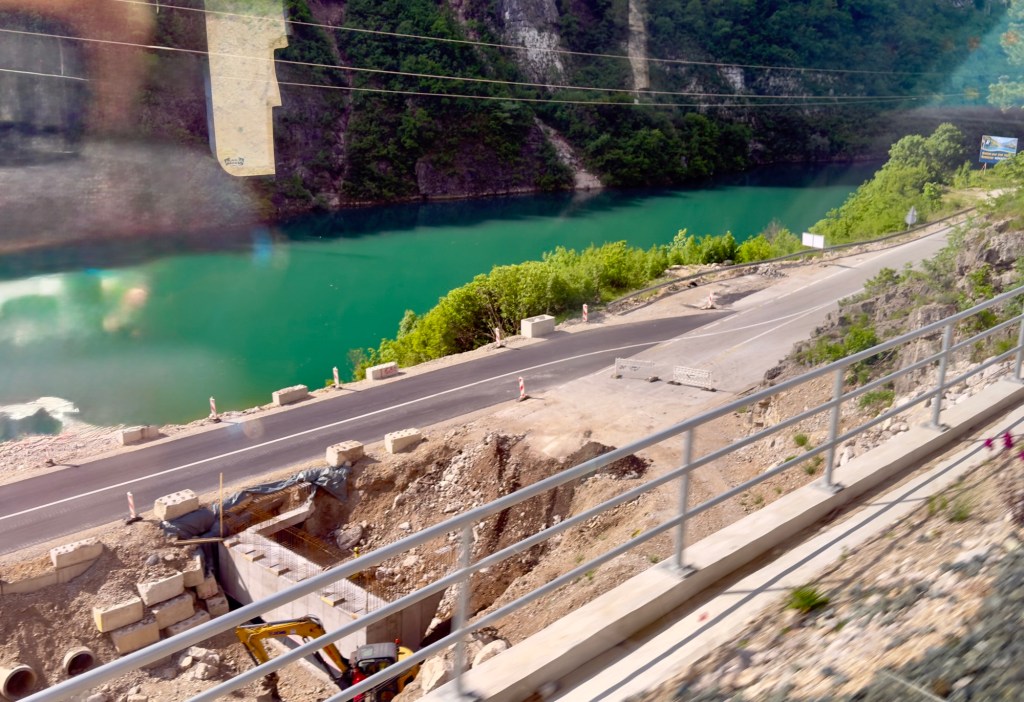
The Neretva is one of the coldest rivers in the world relative to its size, famed for its vivid emerald colour and importance throughout Bosnian history. During the Second World War, the river valley became the setting for the famous Battle of the Neretva, one of the most significant battles fought by Yugoslav Partisans against Axis forces.
At one station we stopped for quite some time, with no real explanation, meaning we eventually arrived into Mostar around half an hour later than expected — though with scenery like that, nobody seemed particularly bothered.
First Impressions of Mostar
From the station, we walked around twenty minutes to our hotel through warm sunshine and quiet streets. After leaving our bags there, we headed straight into the Old Town in search of a very late breakfast or early lunch.
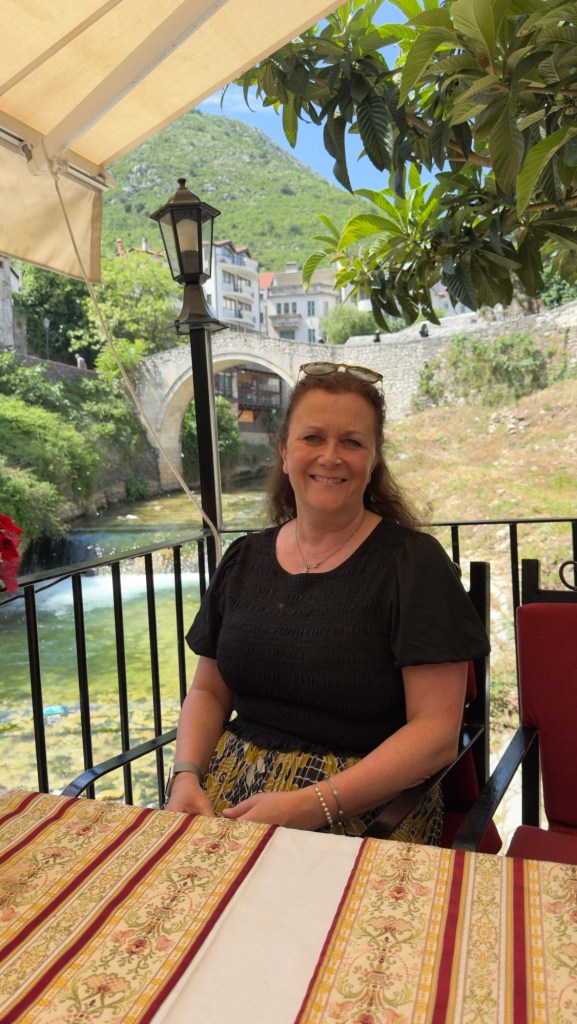
We settled at Restoran Divan, perfectly positioned overlooking the river. I ordered goulash with mashed potato, wonderfully rich and comforting despite the heat, while we enjoyed beautiful views across the water towards the famous bridge.
The Old Bridge and the Old Town
Eventually we wandered deeper into Mostar Old Town, weaving through the busy stone streets packed with visitors and guided tours. The temperature was climbing by this point, but the atmosphere was wonderful.
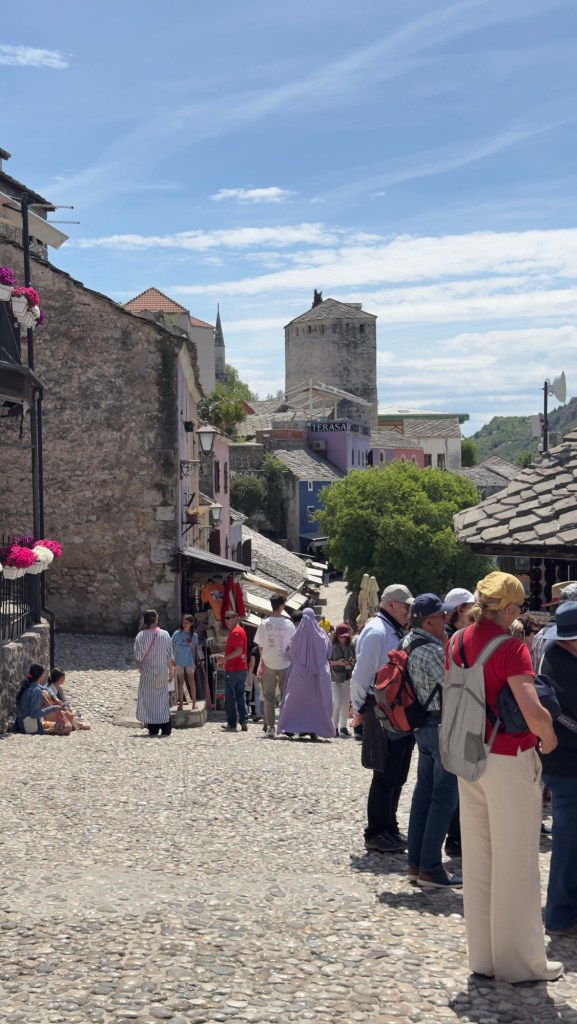
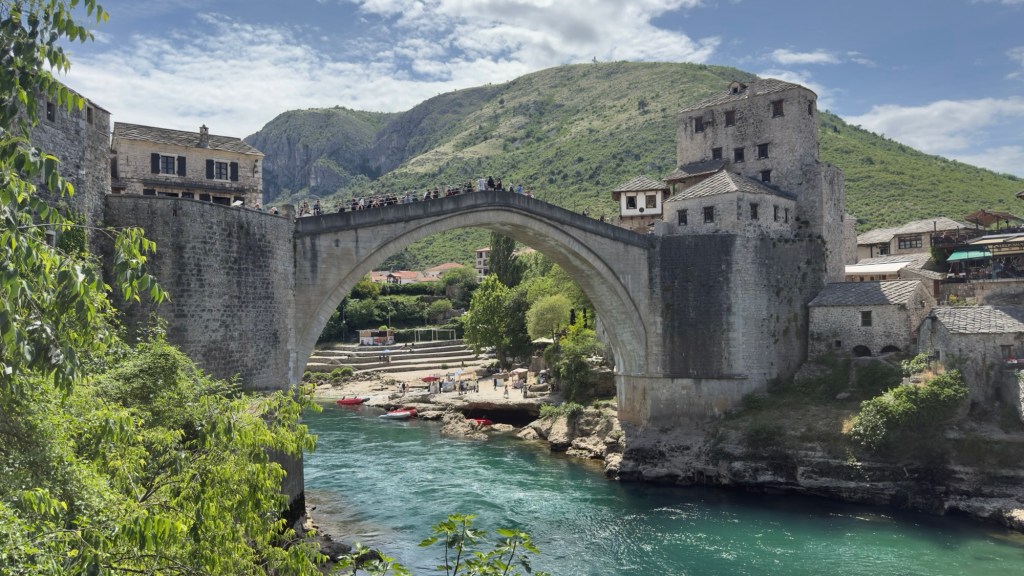
At the heart of the city stands the iconic Stari Most — the Old Bridge. Originally built in the 16th century during the Ottoman period, the bridge was commissioned by Sultan Suleiman the Magnificent and became an engineering marvel of its time. Tragically, it was destroyed during the Bosnian War in 1993, an event that shocked the world and symbolised the destruction of Mostar itself. The bridge seen today is a painstaking reconstruction, reopened in 2004 using many original stones recovered from the river below.
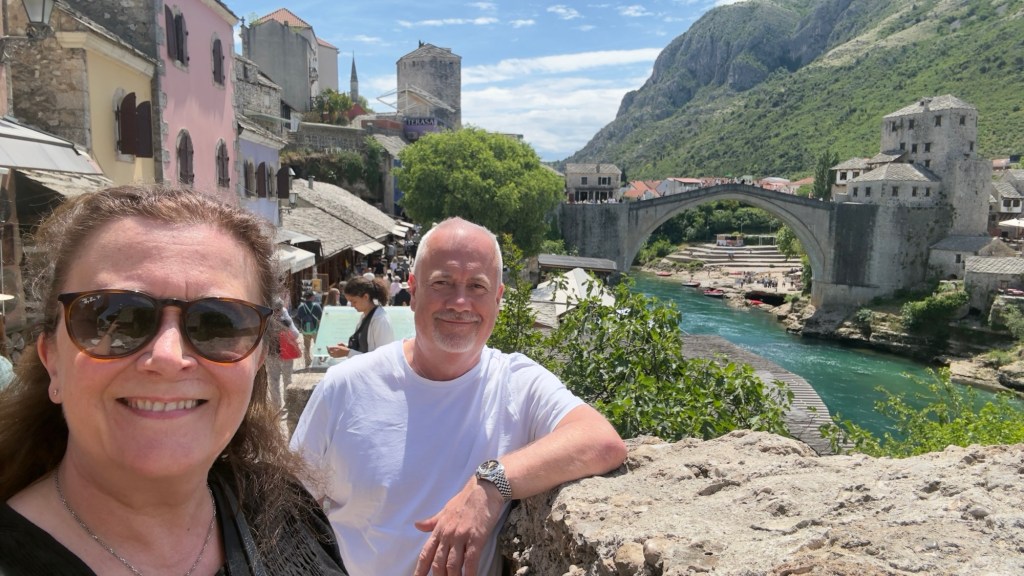
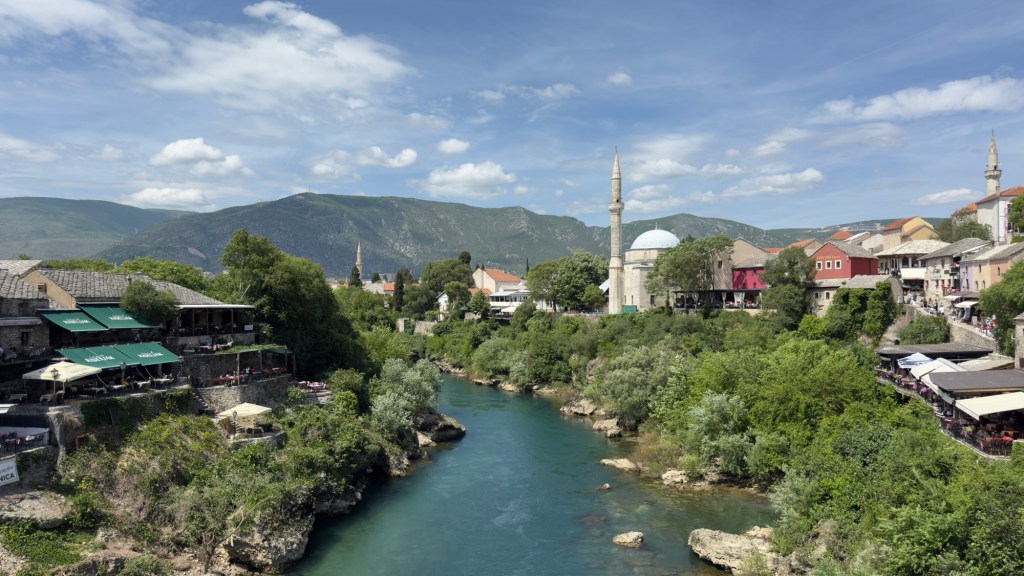
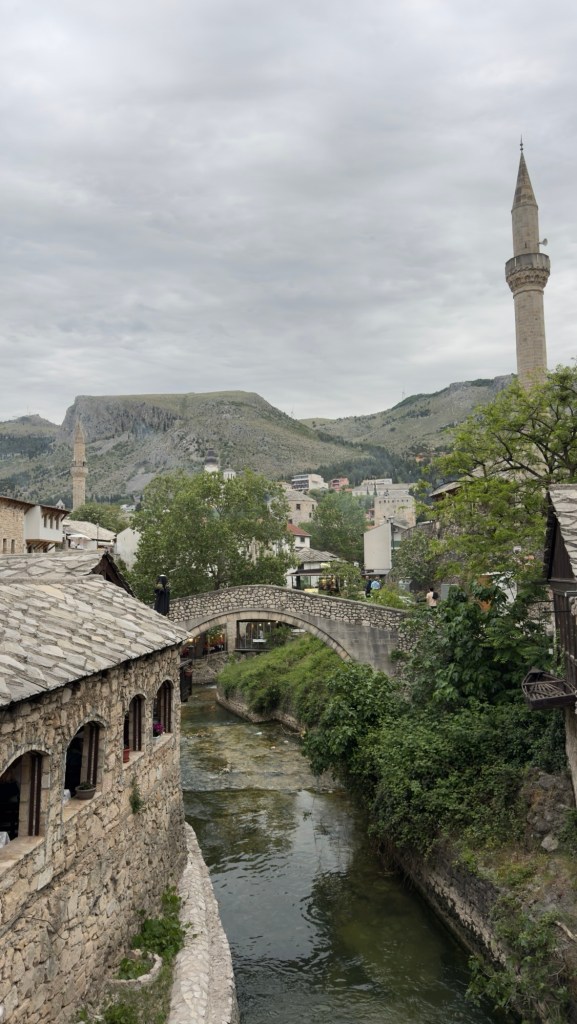
Crossing the smooth white stones of the bridge took concentration; years of footsteps have polished them almost glass-like. Below, the Neretva shimmered in the sunlight and we could see the mosques rising high over the river.
Copper, Ceramics and Hidden Corners
We stopped for a drink at Labirint, where the views of the bridge were superb. Sitting there with a cold drink and watching the crowds crossing backwards and forwards was the perfect excuse to slow down for a while.
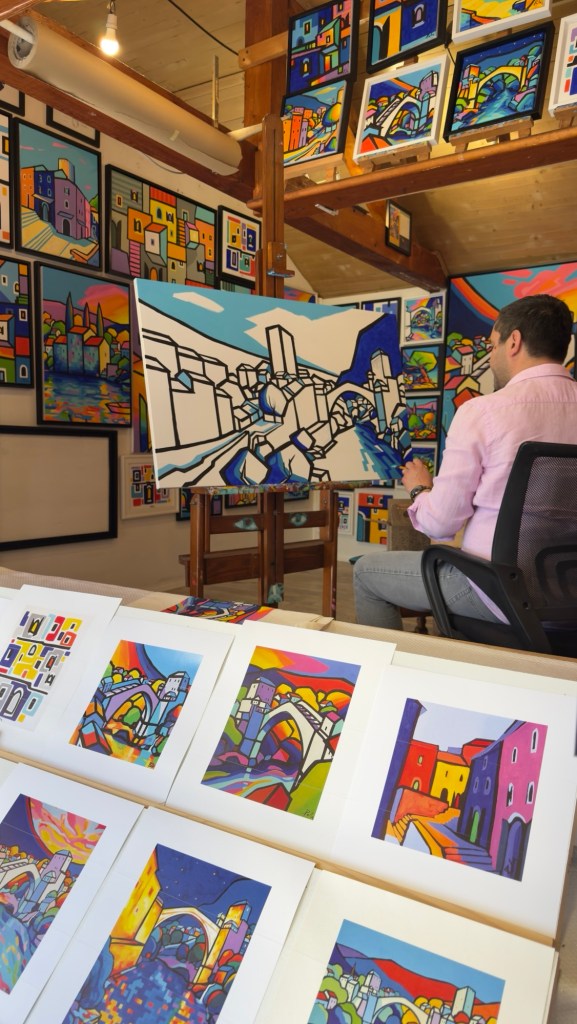
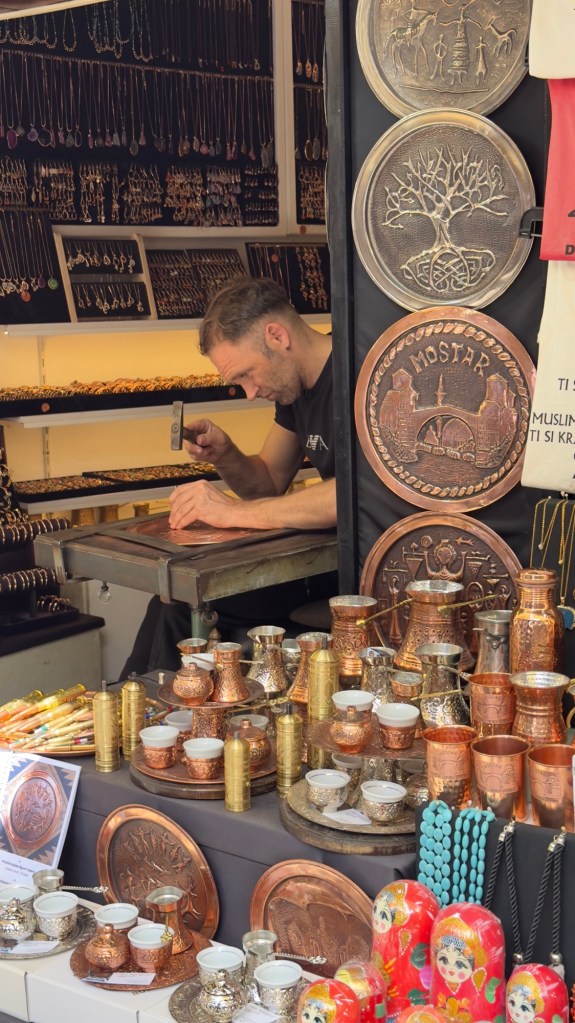
As we wandered back through the Old Town, the streets were lined with stalls and small shops selling handmade souvenirs — copper coffee sets, ceramics, paintings and local artwork. Bosnia’s tradition of coppersmithing dates back centuries to the Ottoman era, when craftsmen in cities such as Mostar and Sarajevo became known for their intricate hand-worked designs.
A Bosnian Welcome
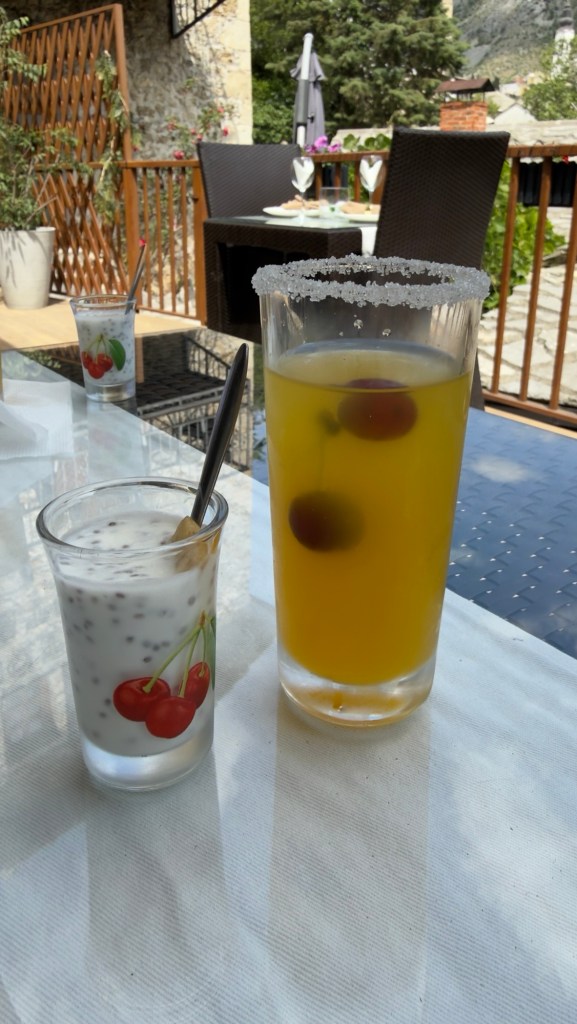
Back at the hotel, check-in turned out to be far more personal than expected. We were invited to sit on the terrace and were brought yogurt with chia seeds along with a refreshing peach drink while the owner chatted with us about the hotel and the city. They even offered to prepare a traditional Bosnian evening meal for us if we were interested — an offer far too good to refuse.
When we eventually reached our room, our bags were already waiting for us. After cooling down with a shower and a short rest, we headed back out into the evening warmth.
Wine by the Bridge
For our pre-dinner stroll, we found ourselves at Spirit of Herzegovina, a peaceful wine bar tucked away on the eastern side of the Old Bridge. Unlike the crowded centre, this spot was wonderfully calm.
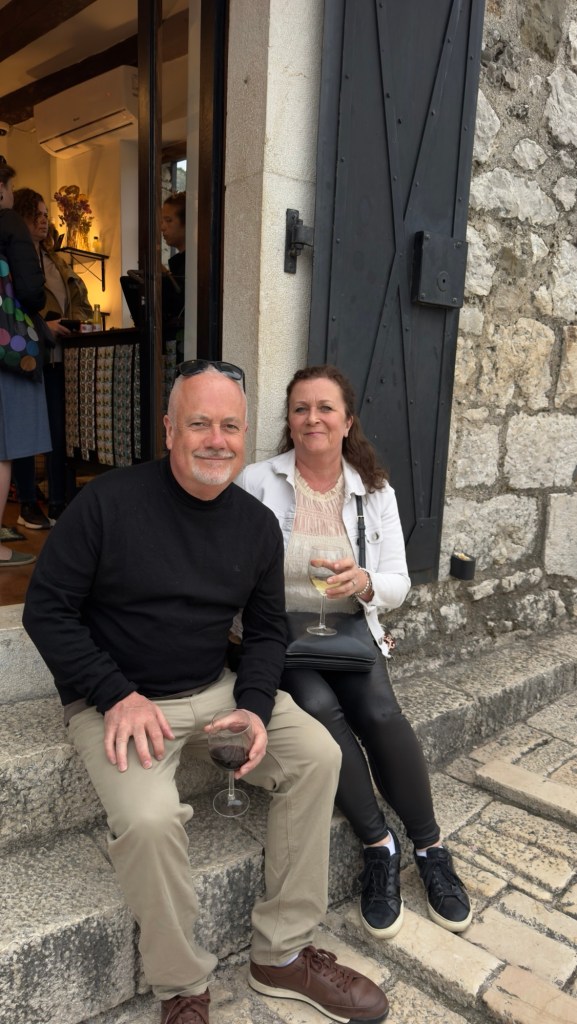
We sat on the steps of the building near the bottom of the bridge with glasses of local wine, quietly watching the world pass by as the evening light softened across the stone buildings and river below. Sometimes the simplest moments while travelling become the ones you remember most clearly.
Dinner on the Terrace
After buying some water on the way back (our hotel sells water at €2.50 for a small bottle) we returned to the hotel for our traditional Bosnian meal. Despite the threat of rain, we happily sat outside on the terrace, enjoying lovely views across the old town.
Local Bosnian wine accompanied the meal beautifully. We began with fresh salad and warm baked bread before mains of chicken for me and fish for JC, both served with roasted vegetables and rosemary potato wedges.
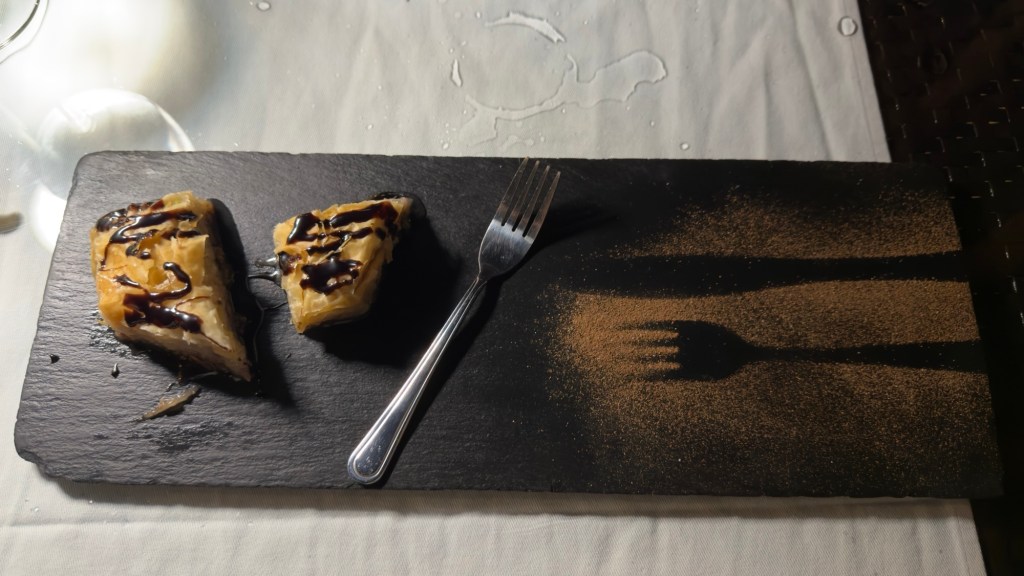
Dessert brought baklava, cherry brandy and strong Bosnian coffee — the perfect ending to a wonderfully relaxed evening.
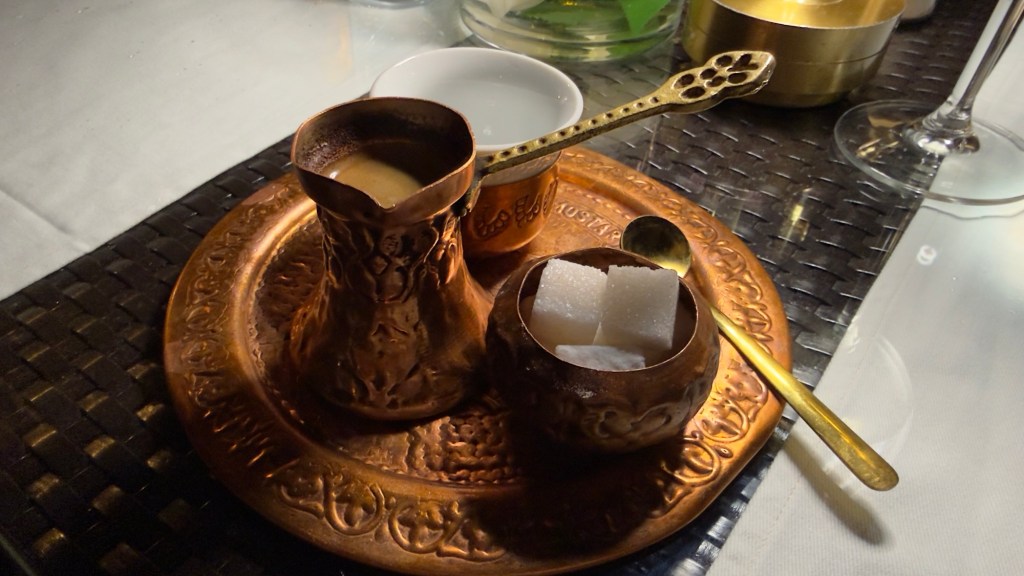
Bosnian coffee is deeply rooted in Ottoman tradition and is prepared slowly in a small copper pot called a džezva. It is meant to be savoured rather than rushed, which somehow felt fitting after a day spent travelling slowly through mountains, rivers and history.
Hujka
Midhad Hujdur Hujka was a celebrated commander from Mostar who became one of the most respected figures in the defence of the city during the Bosnian War. Born in 1953, he worked as a goldsmith before the war, known locally for his calm nature and strong connection to the community.
When conflict reached Mostar in 1992, Hujdur joined the city’s defence forces and quickly emerged as a capable and courageous leader. He commanded units within the Army of Bosnia and Herzegovina and played a key role in defending Mostar against both Serb and later Croat forces during different stages of the war. Because of his bravery and willingness to fight alongside ordinary soldiers, many people affectionately called him “Hujka.”
One of the reasons Hujka remains highly respected is that he was seen not only as a military commander but also as a symbol of resistance and unity in a city deeply divided by war. He reportedly insisted on staying close to the front lines and shared the hardships faced by civilians and soldiers alike. His leadership became especially important during the brutal siege conditions that affected Mostar, where shortages of food, water, and electricity were common.
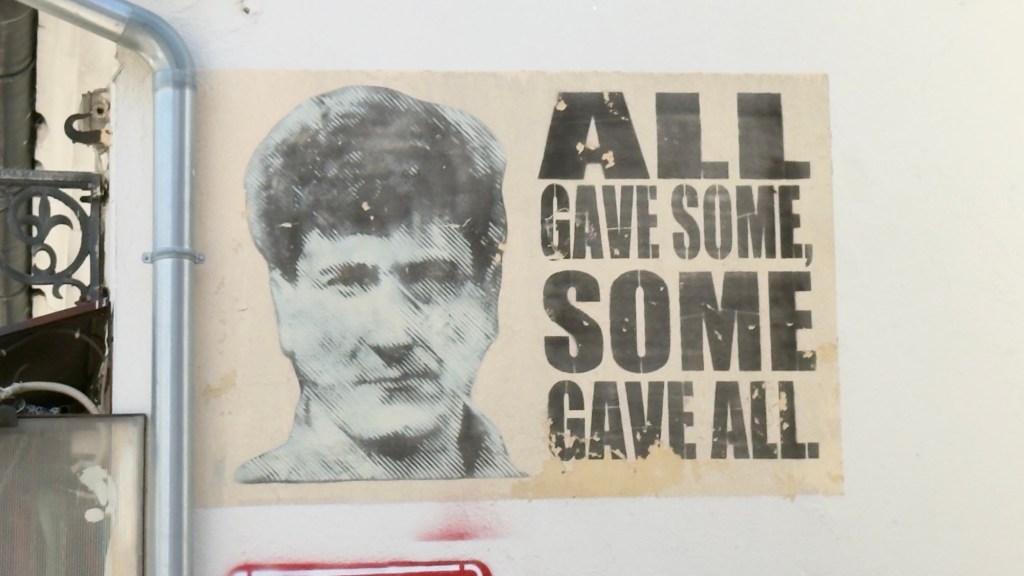
Hujka was killed in June 1993 during intense fighting near Mostar. His death was a major blow to the defenders of the city, and he later became regarded as a local hero. Today, his memory is still honoured in Mostar through memorials, street names, and stories passed down by residents who remember the conflict.
His legacy is closely tied to the determination of the people of Mostar to preserve their city during one of the most destructive periods in Bosnia and Herzegovina’s modern history.


Leave a Reply