Waking in Trebinje
There’s something quietly special about waking up somewhere new — especially when the morning arrives wrapped in sunshine. In Trebinje, the day began exactly like that.
Morning Light & Riverside Stillness
A quick glance out of the loft apartment roof window revealed warm light spilling across the rooftops — the kind of view that encourages you to slow down. No alarms, no urgency.
Breakfast was served on the terrace, overlooking the emerald-green Trebišnjica River — one of the longest sinking rivers in Europe, known for disappearing and re-emerging through the karst landscape. There’s a quiet rhythm to it, a steady presence that shapes the town’s character.
Breakfast of omelette with vegetables and a cup of black tea never tasted quite so good next to this stunning backdrop.
Into the Old Town: Layers of the Past
We began our walk in Stari Grad, the historic core of the city. Much of what stands today dates back to the Ottoman period, when Trebinje became an important administrative and trading centre. The narrow streets, stone buildings, and shaded squares still carry that imprint.
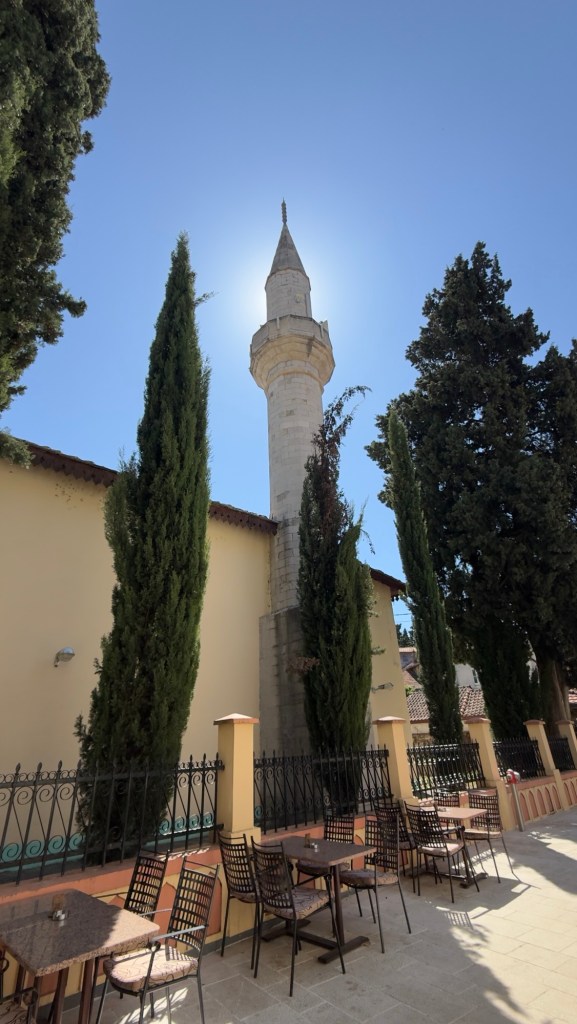
A short walk brought us to the elegant Osman Pasha Mosque, originally built in the 18th century during Ottoman rule. Like many historic buildings in the region, it was damaged during the conflicts of the 1990s and later restored — a quiet symbol of resilience.
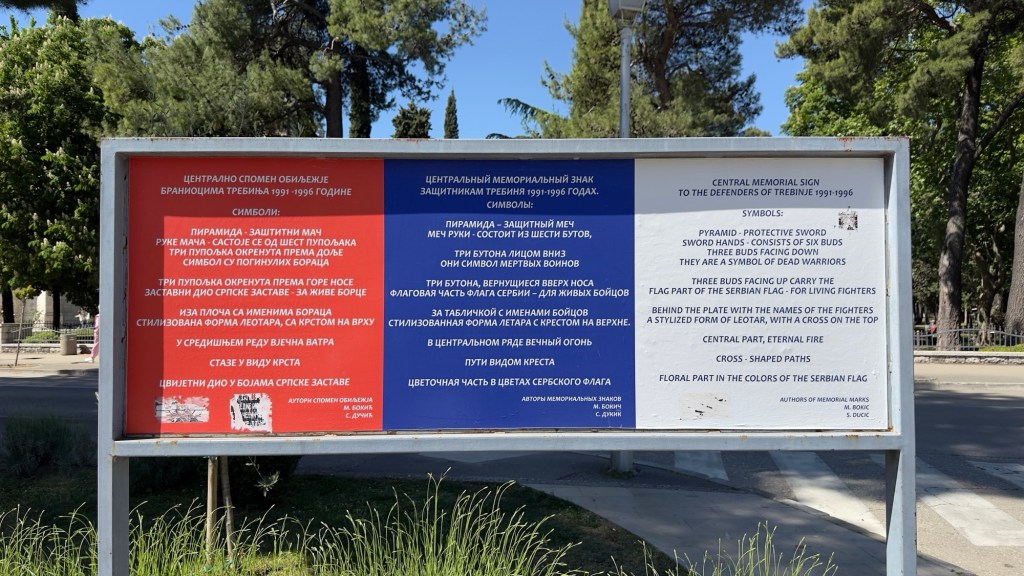
Nearby stands the central memorial dedicated to the defenders of Trebinje from 1991–1996, marking the years of the Bosnian War — a sobering reminder of the town’s more recent past.
Parks, Squares & Everyday Life
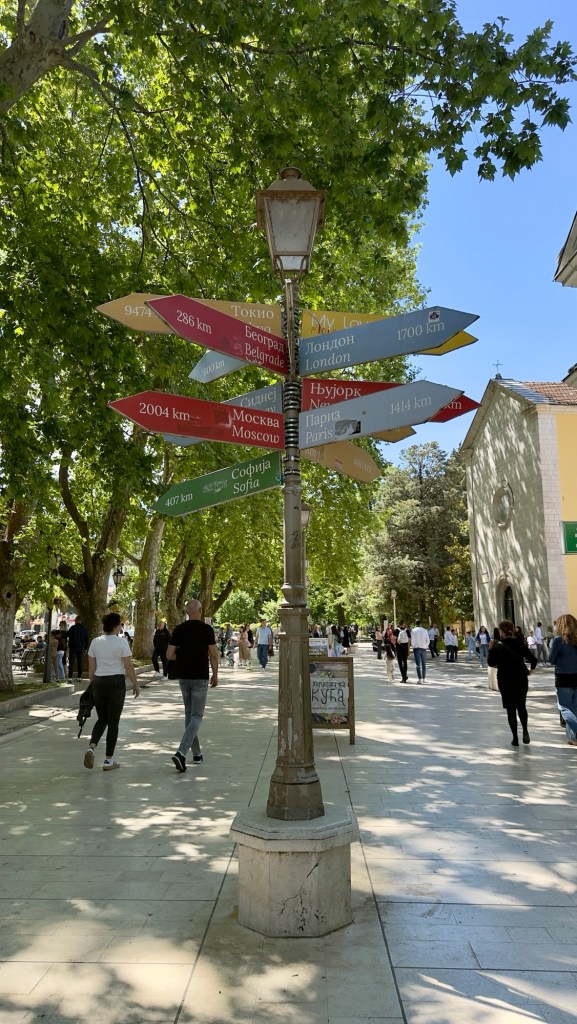
From there, the atmosphere softened as we left the old town and wandered into the city park before drifting towards Cvijetni Trg, a lively hub where locals gather and cafés spill into the streets.
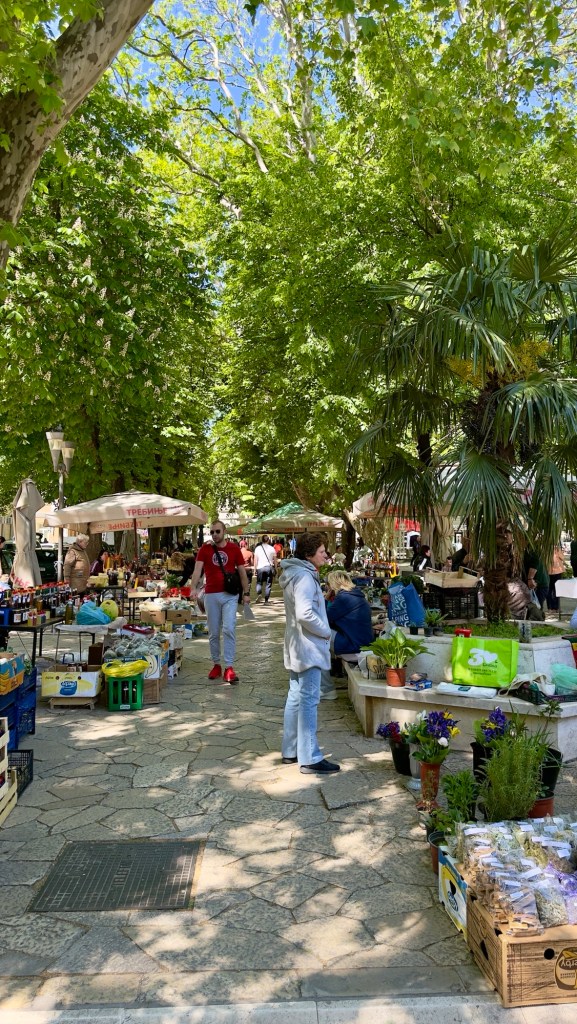
A nearby street market added colour and movement — fresh produce, local goods, and a sense of everyday life unfolding at its own pace.
We re-entered through the West Gate, where you get a sense of how the town was once fortified — a place designed not just for living, but for protection.
Bridges & Views Across Time
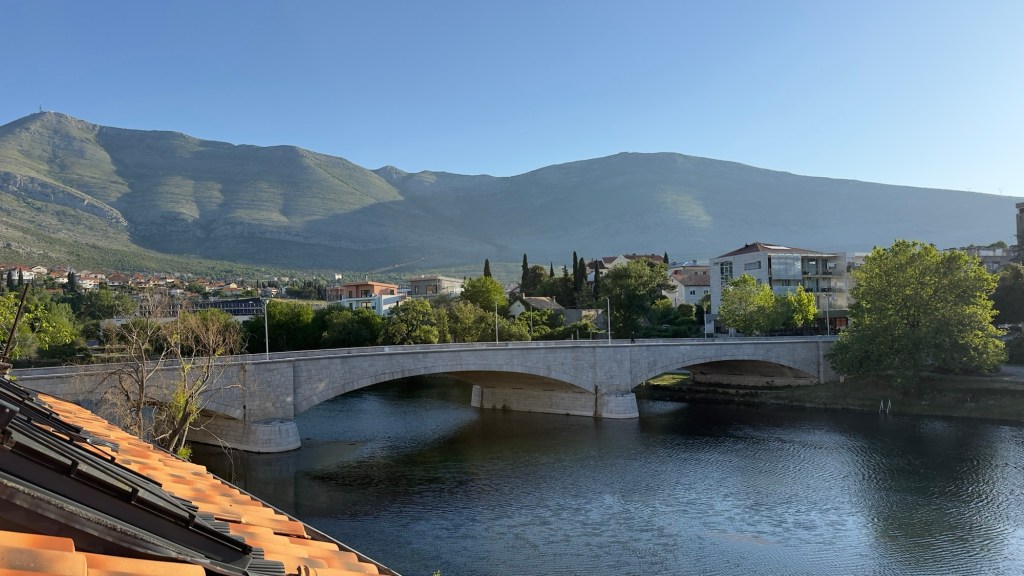
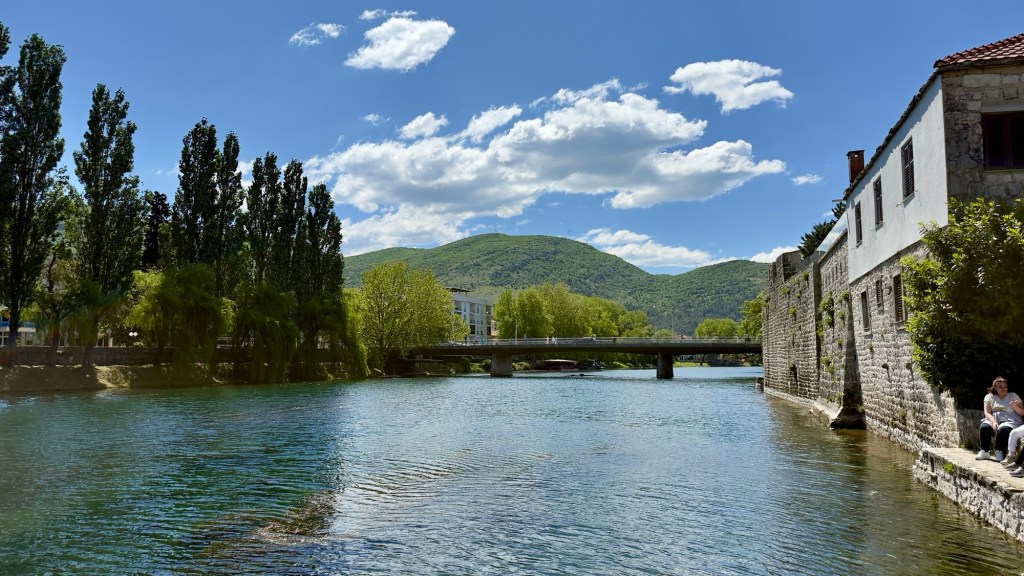
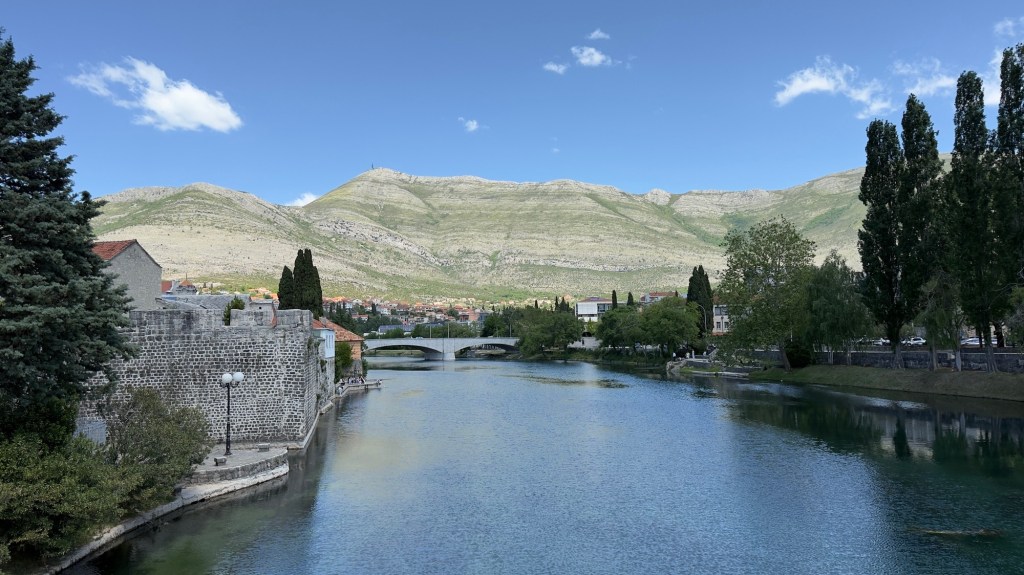
We made our way towards the river and crossed the Most Iva Andrića. This is a pedestrian bridge in Trebinje, built in 1966 and named after Nobel Prize–winning writer Ivo Andrić. It’s known for its elegant stone arches and relaxed atmosphere, offering lovely views over the Trebišnjica River, especially in the evening.
From here, the views back across the town are quietly stunning — the blend of stone, water, and history creating something timeless.
Lunch & a Riverside Pause
Lunch was taken at Restoran Segreto, where we lingered over a glass of local wine. My chicken Caesar wrap was simple and satisfying, while JC enjoyed grilled squid.
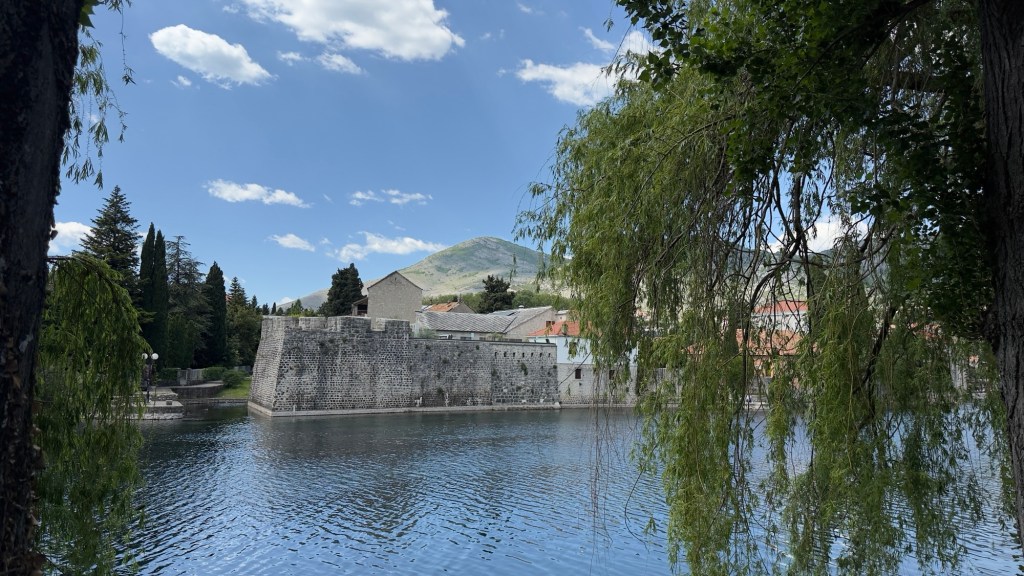
Afterwards, we wandered along Obala Luke Vukalovića, stopping often to take in the views back across the Trebišnjica River — including glimpses of the old town and our hotel.
Afternoon Rest & Early Evening Drinks
We crossed back via elegant Kameni Most (Bridge). Although it looks much older, the bridge is actually fairly modern when compared with many Ottoman-era bridges across Bosnia and Herzegovina. It was completed in 1954 after several years of construction, replacing an earlier ferry route that had carried passengers and goods across the river. The new bridge also played an important role in linking the expanding neighbourhoods on the far side of the Trebišnjica River. We returned to the hotel for a short rest before heading out again.
The early evening began with a return visit to Passage Pub for a relaxed glass of local wine — an easy start to the night.
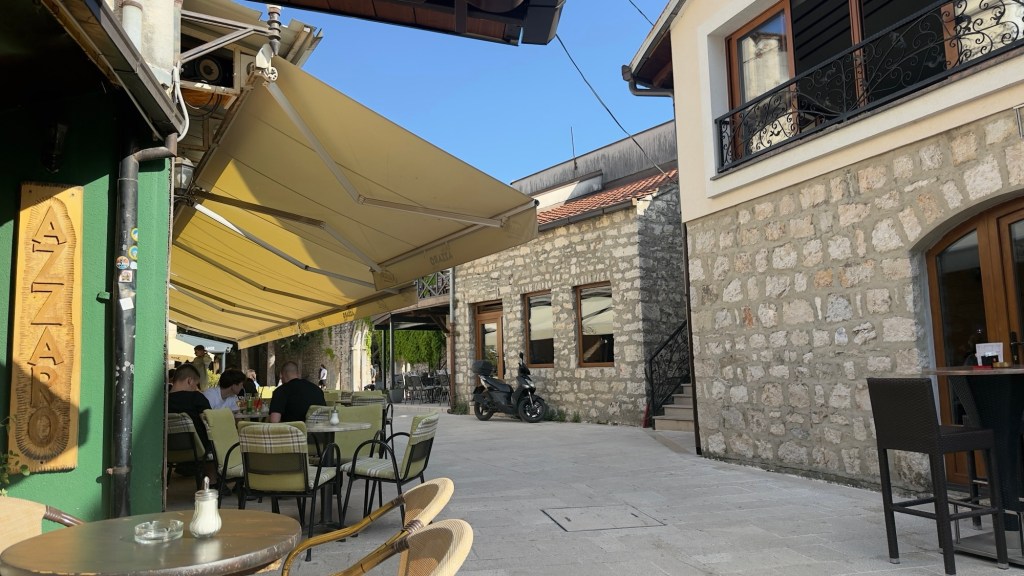
From there, we wandered towards the South Gate and found ourselves at Azzaro, where things really came into their own.
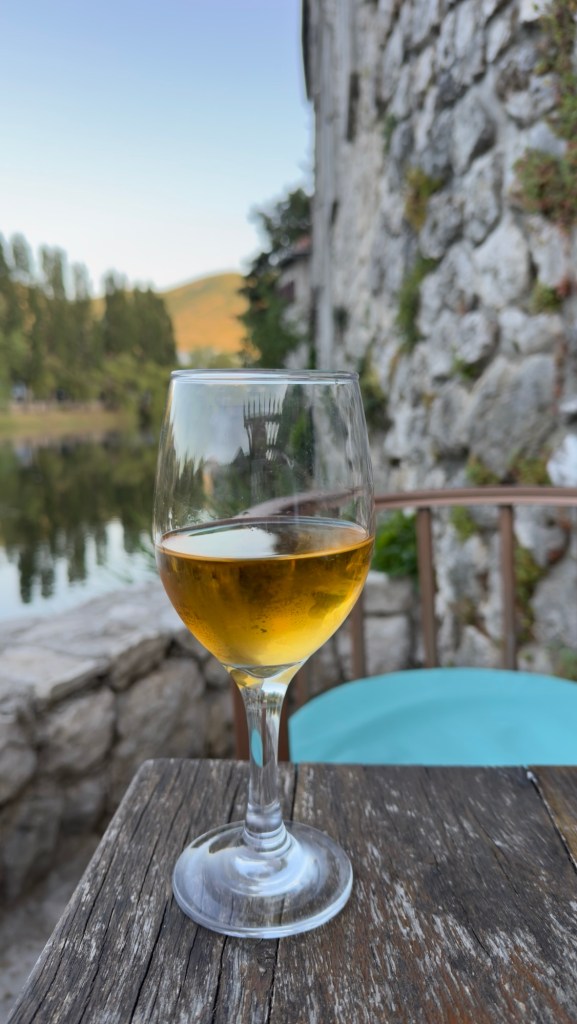
Here, we finally enjoyed the Žilavka we’d been hoping for — crisp, fresh locally produced white wine, and exactly as it should be. Paired with a glass of water and a warming plum raki, it felt like a proper introduction to Herzegovina’s wine culture. The indigenous Žilavka grape thrives in this region’s sun-soaked vineyards, and local producers such as Podrum Popovac, Tvrdoš Monastery, and Anđelić Winery have helped build its reputation.
A Slightly Misjudged Finale
With spirits high, we headed to Restoran Humsko for our evening meal, expecting to round off the day on a similar note.
This time, however, the wine choice didn’t quite land.
The restaurant didn’t have the wine we had just sampled in Azzaro, and we were offered a “premium” white instead. This turned out to be something heavily oaked — rich, sweet, and far closer to a dessert wine than the crisp Žilavka we’d enjoyed earlier. One of those moments where expectation and reality quietly part ways.
To add to it, we had our hearts set on goulash — only to find it had already sold out.
So, with a shrug and a shared smile, we chose an alternative and carried on.
The Beauty of the Unplanned
Not everything goes exactly to plan when you travel — and often, that’s where the charm lies.
From sunlit breakfasts and centuries-old streets to excellent wine (and the occasional mistake), the day unfolded in its own way.
And in Trebinje, that’s more than enough.
And finally….
Why did we see Republika Srpska flags being displayed by car drivers with car horns being sounded?
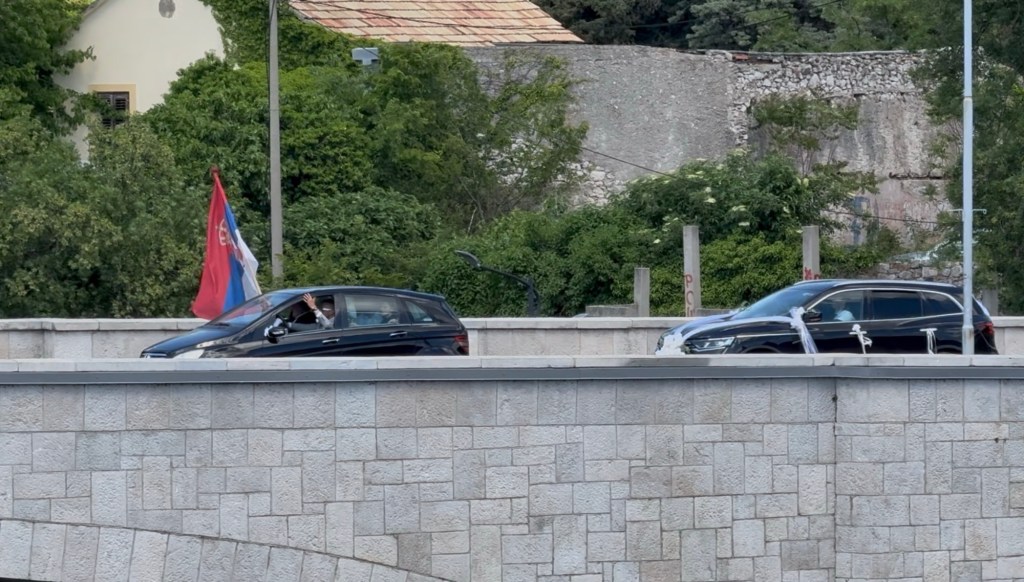
- Pride: Displaying the Republika Srpska flag often reflects cultural or national identity within Bosnia and Herzegovina.
- Celebration: Flags and horn-honking are common during holidays, sports wins, weddings or gatherings.
- Politics: It can also signal political views shaped by the legacy of the Bosnian War.


Leave a Reply