
We started the morning at 71 Nyhavn Hotel, where breakfast felt more like a Scandinavian tasting board than a simple start to the day. There were flaky pastries, breads, tangy pickles, cheeses and cold cuts — plus eggs, juices, and all the coffee and tea you could want. Fuel enough to keep even the most enthusiastic wanderer going.
First stop: the Statue of Absalon, Copenhagen’s medieval founder, quietly watching over the city. From there, we strolled to a craft market — stalls were full of handmade jewellery, delicate hand-painted postcards, and pottery.
On Strøget, the famous pedestrian street, we did some window-shopping: the LEGO shop (because who can resist?), FC Copenhagen football shirts (pricey, but tempting), and a quick hello to the Hans Christian Andersen statue before entering Tivoli Gardens. It happened to be Hundens Dag — dog day there — so the park was full of very pampered pups, many dressed far better than we were.
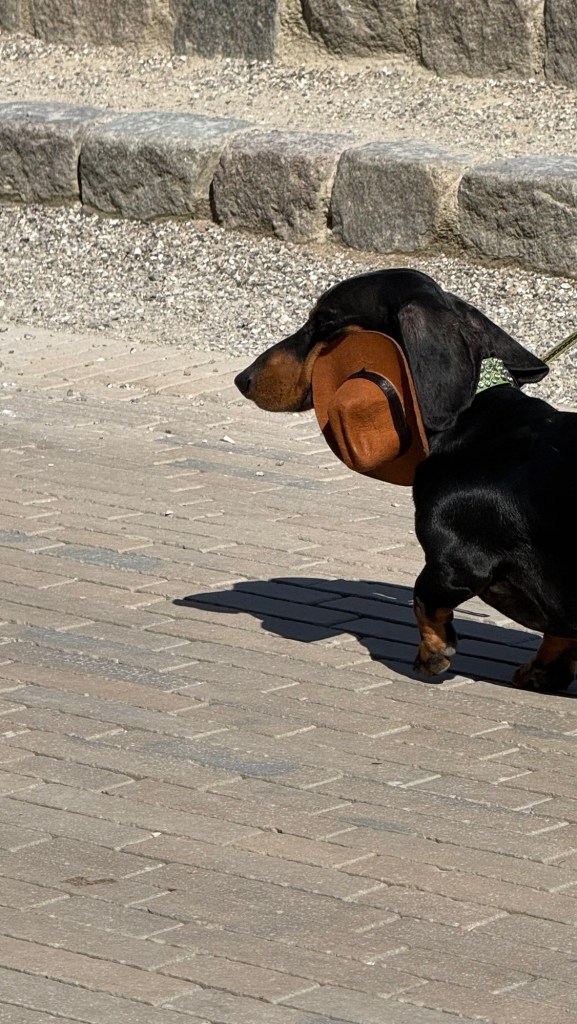
We didn’t go on any rides, but the Chinese theatre performance, the beautiful gardens, and the four-legged parade made it worthwhile.
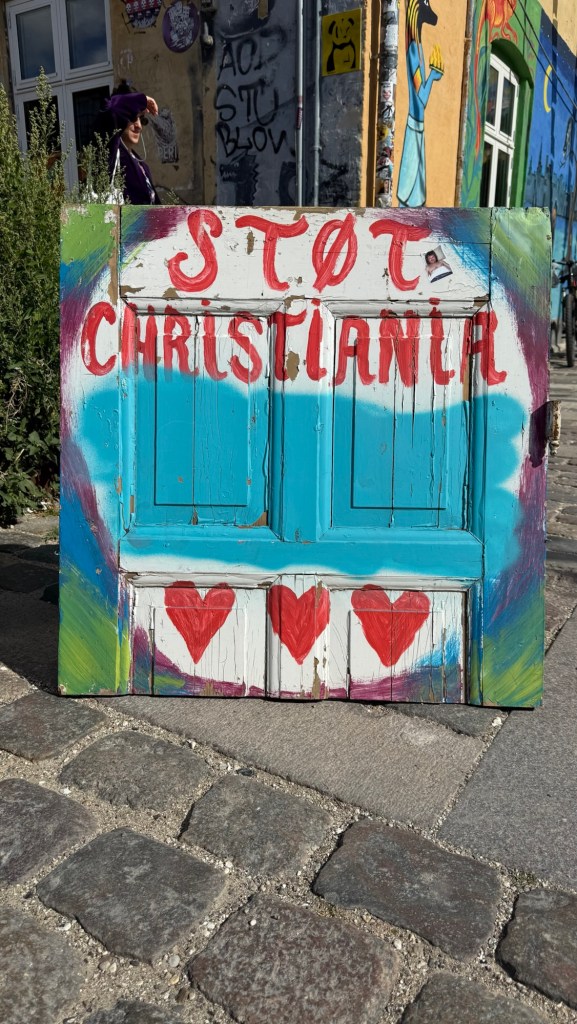
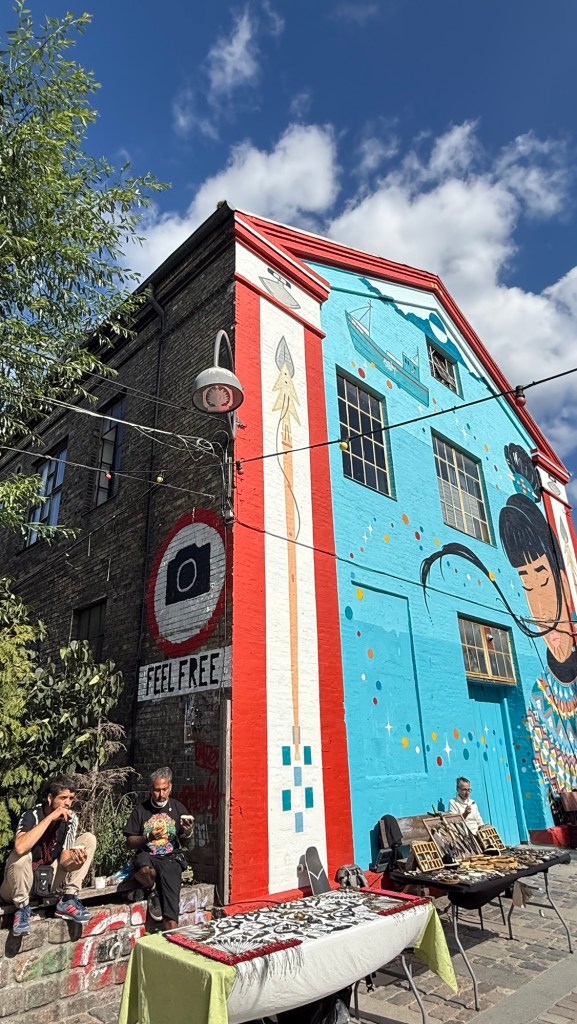
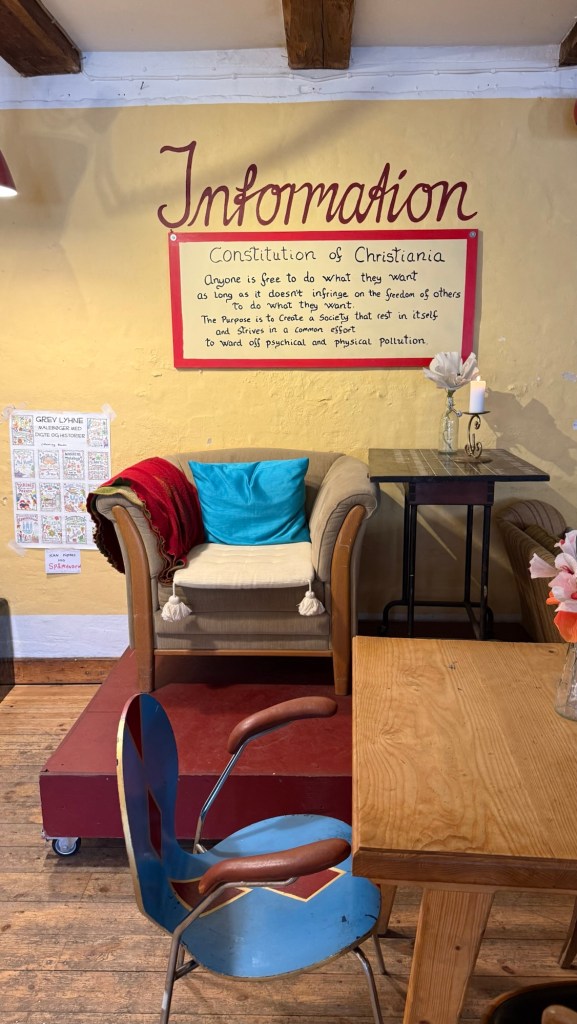
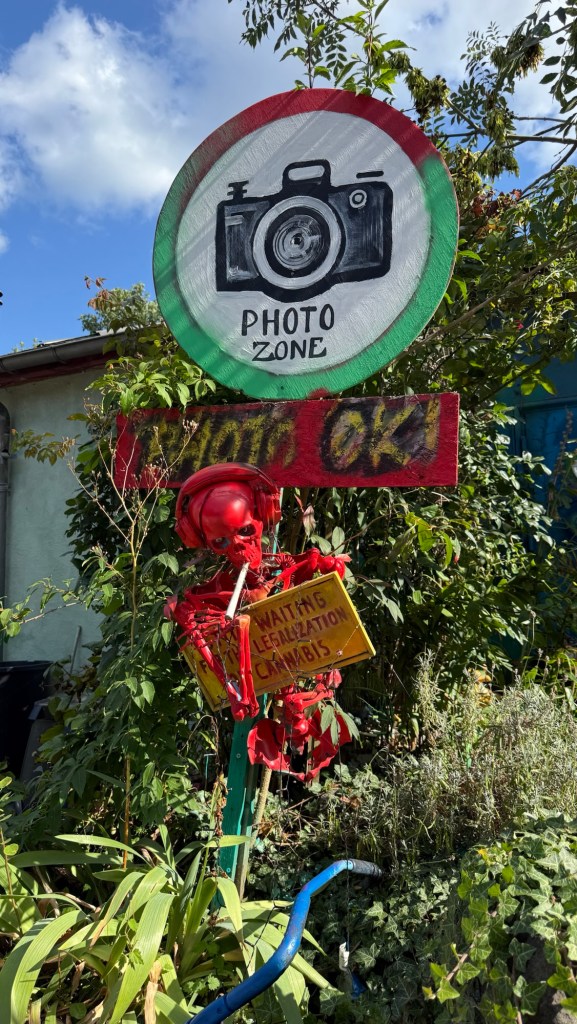
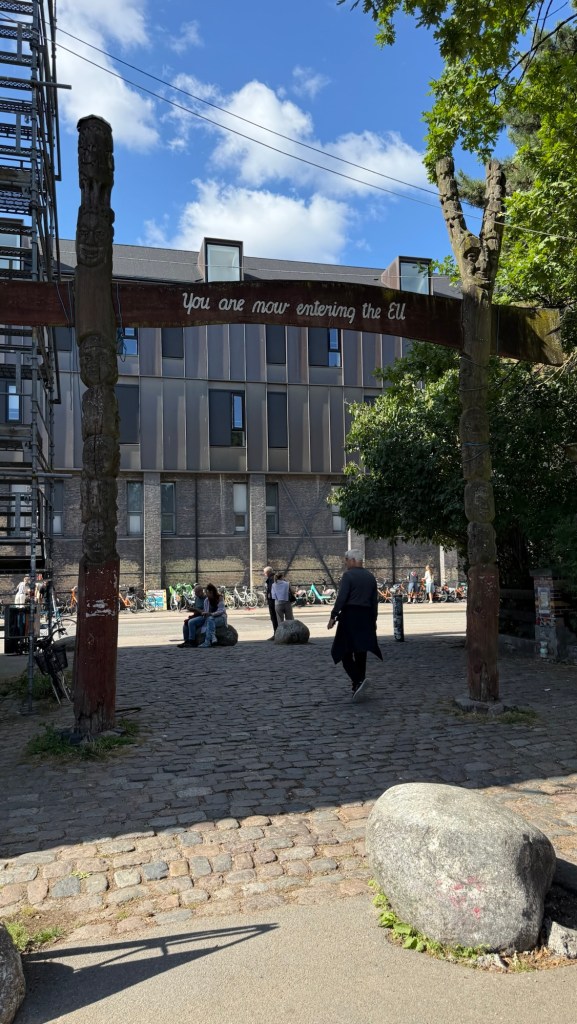
Next came a long walk to Christiania. Freetown Christiania is a city within the city – a semi-autonomous community that was founded in 1971, when squatters, activists, and artists took over an abandoned military base. It declared itself a “free town,” separate from the Danish state, with its own rules and communal governance. Famous for its alternative lifestyle, art, and open cannabis trade (especially on Pusher Street), though this has caused frequent conflict with Danish authorities. About 700–1,000 residents live there, with collectively owned property — you can’t buy or sell houses, only apply to live there. Tourists visit for its colourful murals, workshops, music venues, and cafés, but photography is restricted in some areas.
We stopped for lunch at one of the cafes there, the Kunsthandværk Café — quirky, cosy, and exactly the sort of place where you expect the mismatched furniture to have stories to tell.
Christiania itself is changing: After organised violent gangs have dominated Pusher Street for several years, it is now closed, with signs explaining how the community is reclaiming the area for art, music, food, and gardens. “We do NOT want Pusher Street back! Please respect this! Do NOT buy hash in Christiania”, the sign firmly read. Instead, we wandered past graffiti walls, craft stalls, and small bars that felt far more welcoming than the area’s old reputation.
Back in Nyhavn, we found a perfect little bar on a boat called Oranje, overlooking the canal. A glass of wine in the afternoon is about as Copenhagen as it gets.

After a quick change back at the hotel, we paid a brief visit to Hotel d’Angleterre for another glass — this time indoors, as rain began to fall. The evening finished at Pastis, a seafood restaurant that was nice (though we both agreed last night’s dinner had been better). The food was good, but the service lacked the warmth we’d grown used to in Copenhagen.
Still, it was a full day — part history walk, part market treasure-hunt, part urban exploration, in wonderful Copenhagen.
 jctraveller
Leave a comment