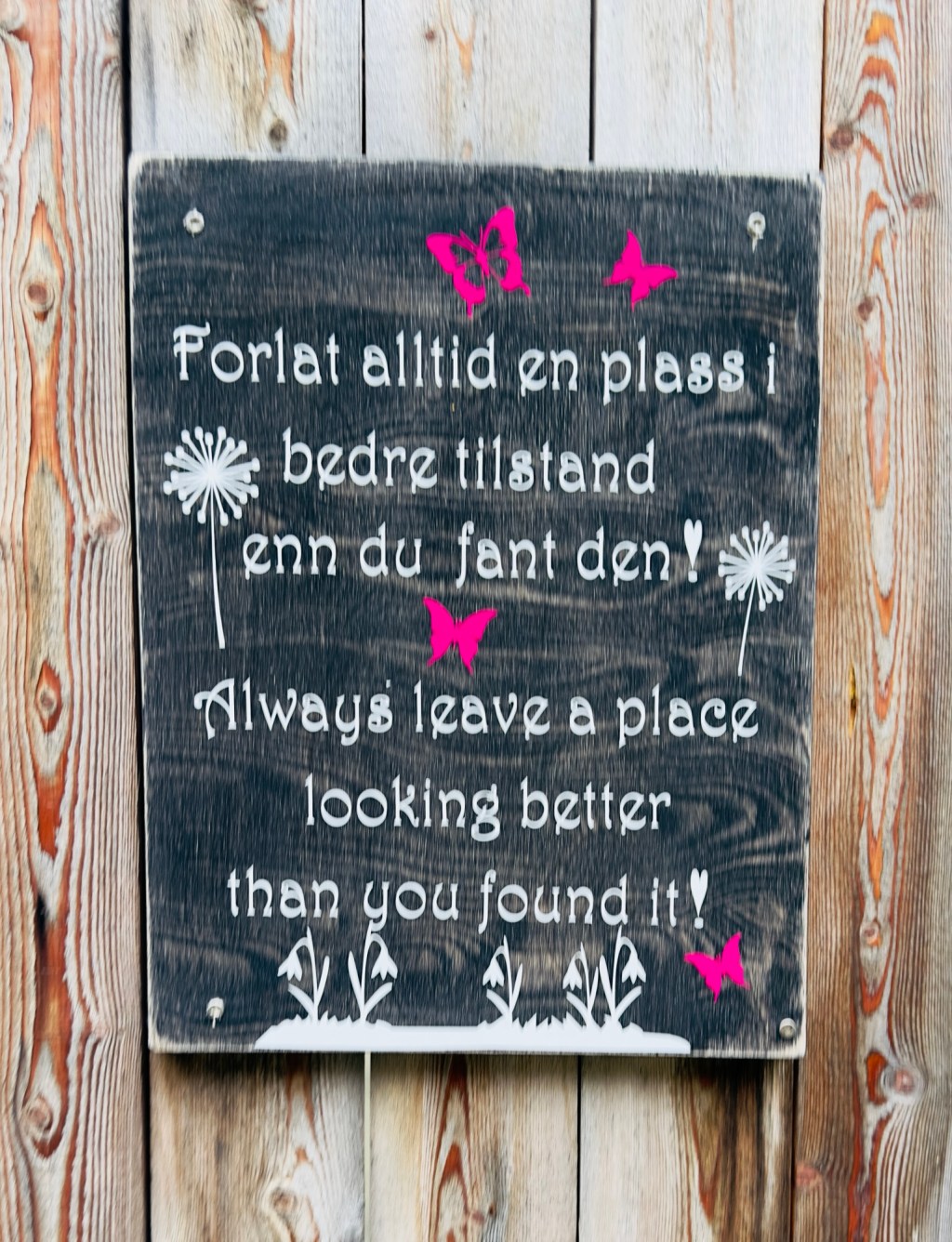
Sol og Vindhuset
We had a good night’s sleep, probably the best we had had since travelling from Longyearbyen to Ny-Ålesund. We felt refreshed and had a good breakfast before leaving the ship just after 9am.
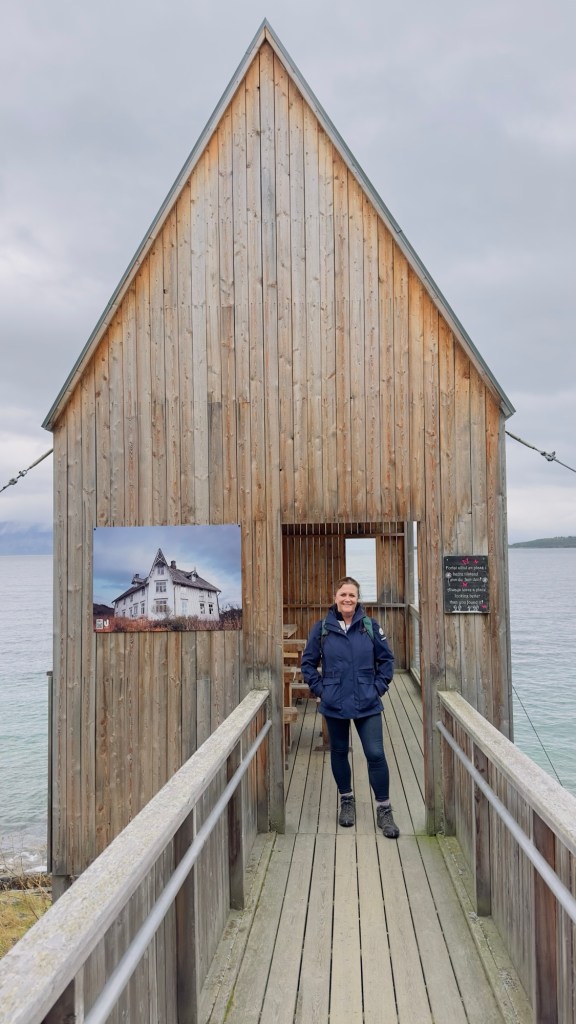
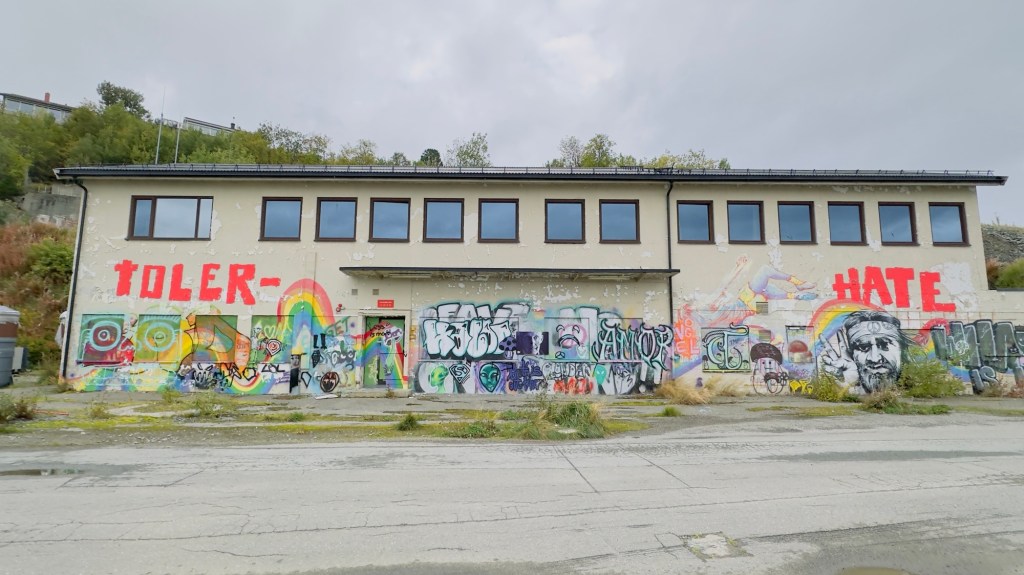
We knew we needed to keep up with good exercise and fresh air, so we planned to visit an old church which was a 3 km walk from the ship. Trondenes church is the northernmost medieval church in Norway and also the world’s northernmost surviving medieval building. We had a nice walk along the shores of the fjord towards the church. We passed some interesting street art and some lovely red wooden huts that had photographs of different things on them. The sky was looking dark and brooding, however we managed to escape the rain that had been forecast.
We arrived at the church an hour or so later. We saw a lot of passengers already there who had come on a coach trip from the ship.
We walked through the graveyard where we saw some really old gravestones; some were actually made from iron that dated back to the early 20th century. The church wasn’t supposed to be open so we didn’t expect anything when we got there, but we guess it must have accommodated the coach trip as it was accessible to us.
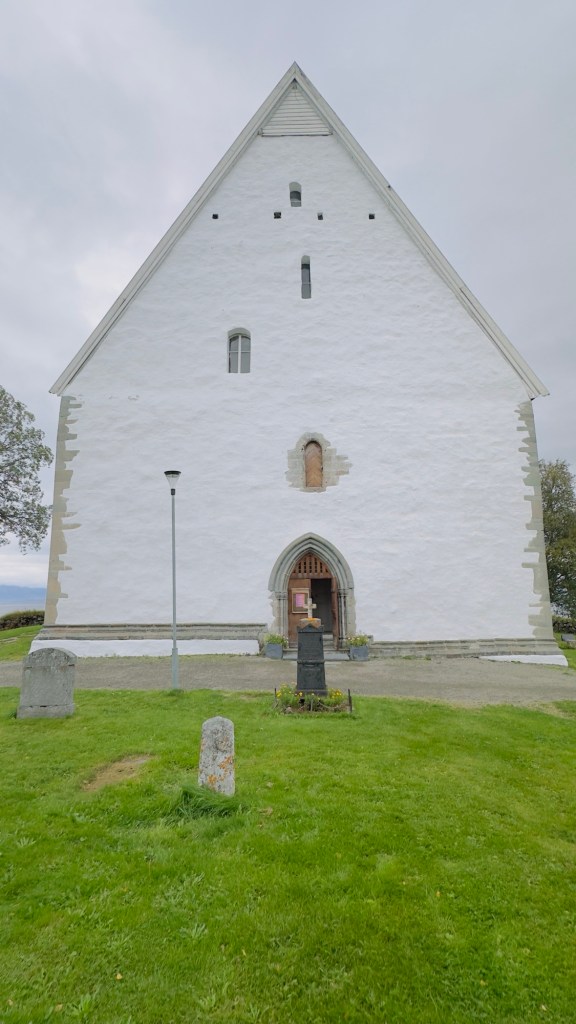
Trondenes Church
The church is thought to have started being built in the late 1100s, however it took many hundreds of years to build. The interior of the building has a lovely rich decor and many beautiful altar cabinets.
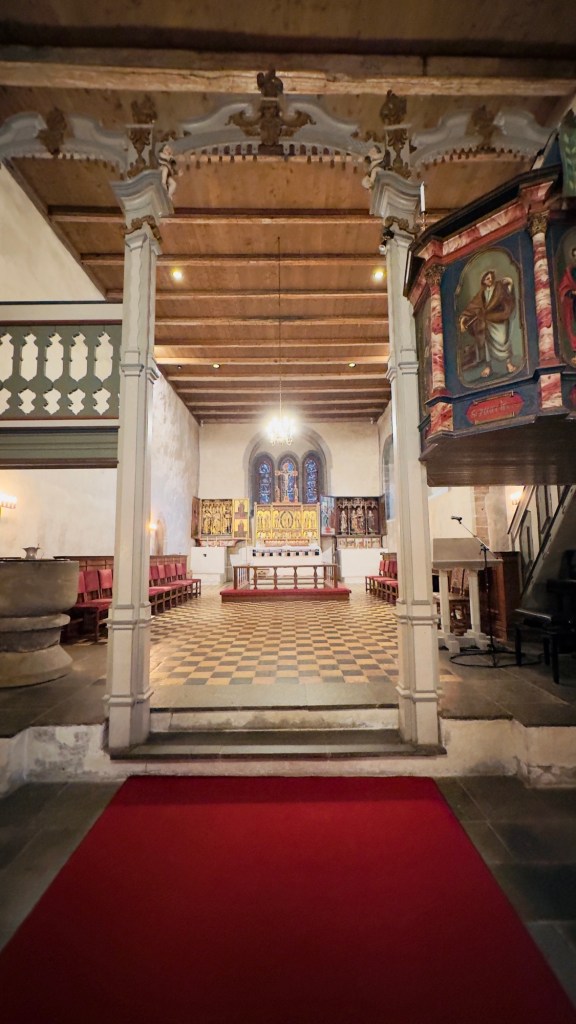
The high altar of the church
We didn’t spend long in there before venturing past the church towards an area that had different information boards giving some interesting history about the church and the grounds surrounding it.
We learned that there used to be a prisoner-of-war camp on the Trondenes Pensinsula, which is close to the church. Approximately 100,000 soldiers from the Red Army had been captured in 1942, defending their country against Hitler and his forces. They were taken to Norway to be used as slave labour with poor food rations, and poor living conditions. These POW were used to construct the Trondenes Fortress which formed part of the Atlantic Wall. This was an extensive coastal defence system that was built by the Nazis to defend against an allied invasion. Approximately 13,000 of these soldiers died during captivity on Norwegian soil.
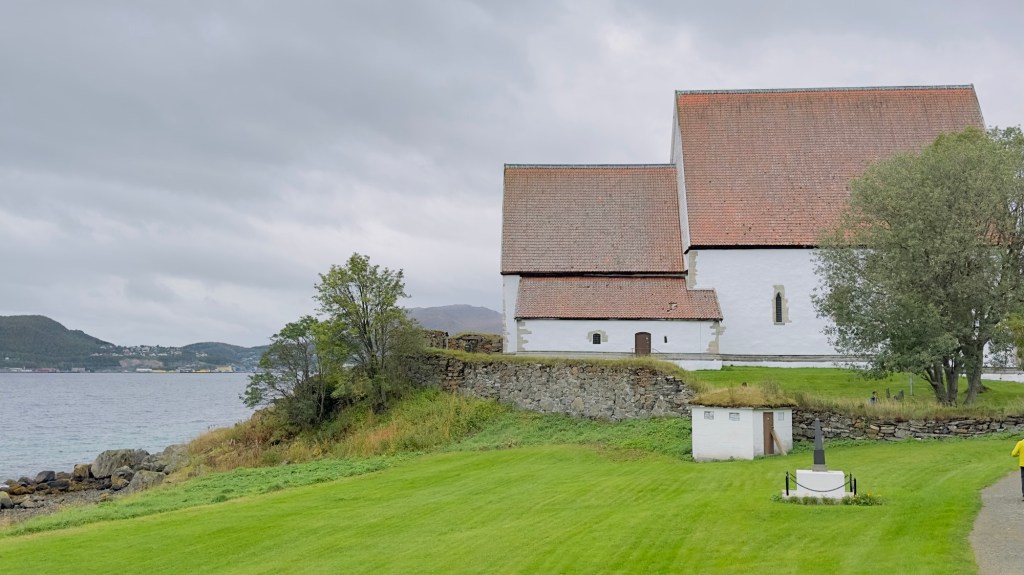
The area of grass beside the church, pictured above, used to be a graveyard for the soldiers that had lost their lives in captivity. 403 graves were located in 1951 and moved to the Tjøtta International War Cemetery. On the grass a Soviet monument stands there in remembrance of the soldiers (below).
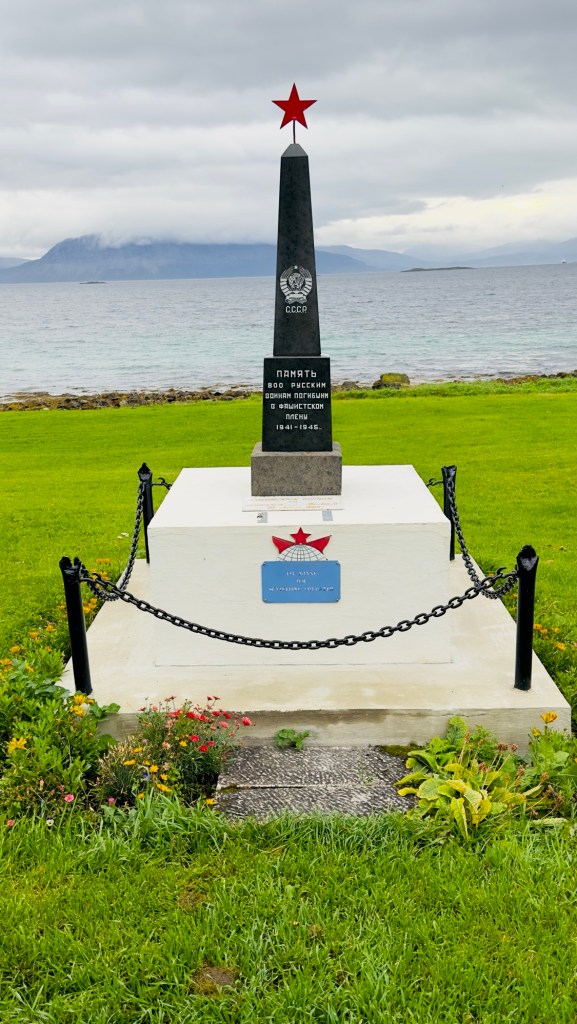
Historical walks on Trondenes – Visit Northern Norway (nordnorge.com)
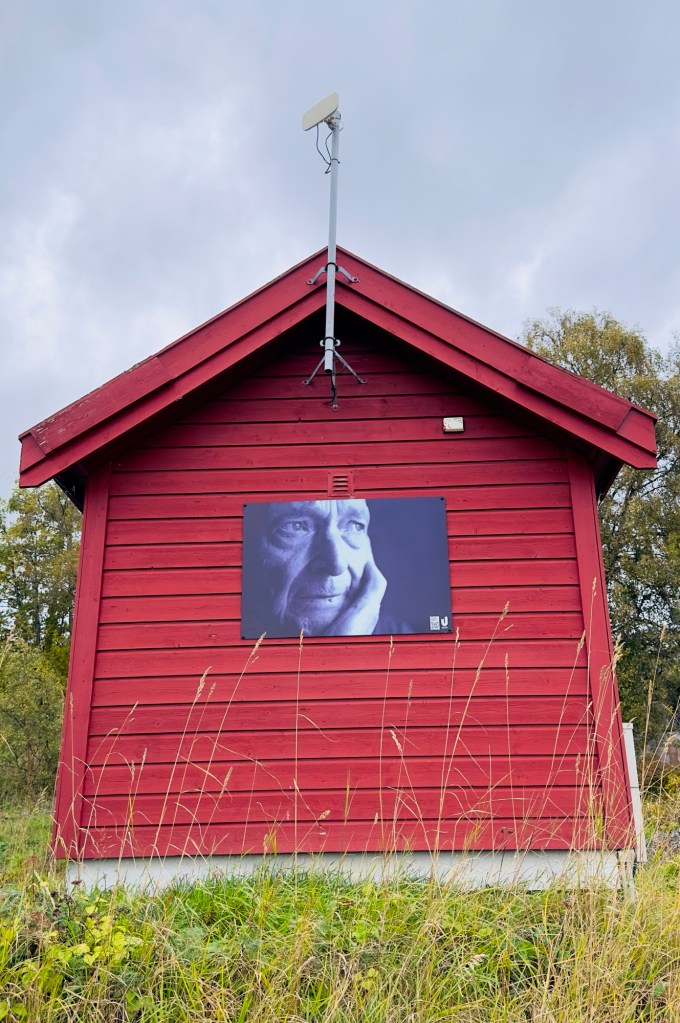
We spent an hour or so there before walking back to the port of Harstad. On the way we saw little wooden houses, mostly painted in the usual red colour that we have become so accustomed to. On some of the houses were photographs with a QR code on. I am not entirely sure why the photographs are there, but they could be part of some outdoor exhibition. The QR codes took me to a website that was Norwegian, which seemed to sell books online. I will never quite know what this was all about but never mind.
The path along the sea – Hiking in Harstad, Harstad – Harstad (visitharstad.com)
Stien langs sjøen (The path along the sea), Troms og Finnmark, Norway – 41 Reviews, Map | AllTrails
We also came across another memorial which has been placed in dedication to the memory of 1531 men that died in the Norwegian Sea. The aircraft carrier HMS Glorious and its escort ships HMS Ardent and HMS Acasta were sunk by German destroyers during a torpedo attack on 8th June 1940. Nearby is another plaque that is dedicated to David Woodcock, who died in 2018. He founded the GLARAC Association to try and uncover why such a disaster was allowed to happen.
We passed the harbour and eventually got back to the town centre. There wasn’t much going on really and there weren’t many people about. We didn’t spend long there, with me only taking a few pictures of the street art that I saw on some of the buildings.
We arrived back on the ship, returned our outdoor gear to the cabin and then headed for lunch. Today it beat me, and I mean really beat me. The first course was smoked mackerel and cream cheese, with cod skin crisp. I took one look at it and knew I wouldn’t be able to eat it. Tina, our server, said she would ask the chef to make an alternative if I didn’t like it (she must know me well by now). I said that I would just have some bread, however she insisted and when it came that was just as bad. Maybe I just wanted something simple and less fancy, like a pizza!!
We went back to the cabin afterwards and watched from there as the ship left Harstad Havn. We passed underneath a bridge which was called Tjelsund Bru. The weather was a bit squally at this point, with a mixture of sunshine and a bit of rain. Whilst stood on deck 9 (it was really wild up there), I managed to capture a lovely rainbow as we passed under the bridge. It also turned into a feint double rainbow which I didn’t realise until I’d looked at my pictures later.
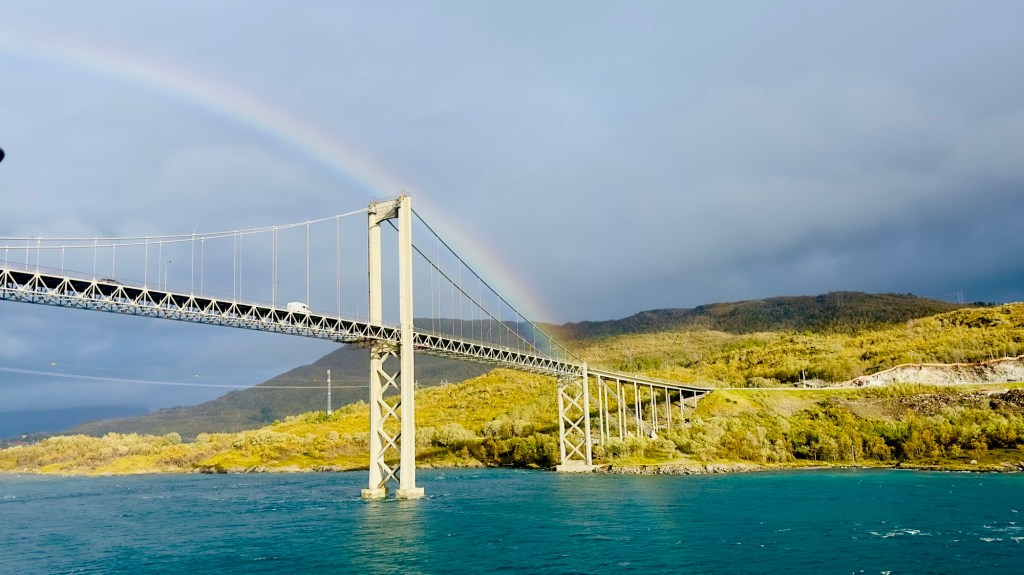
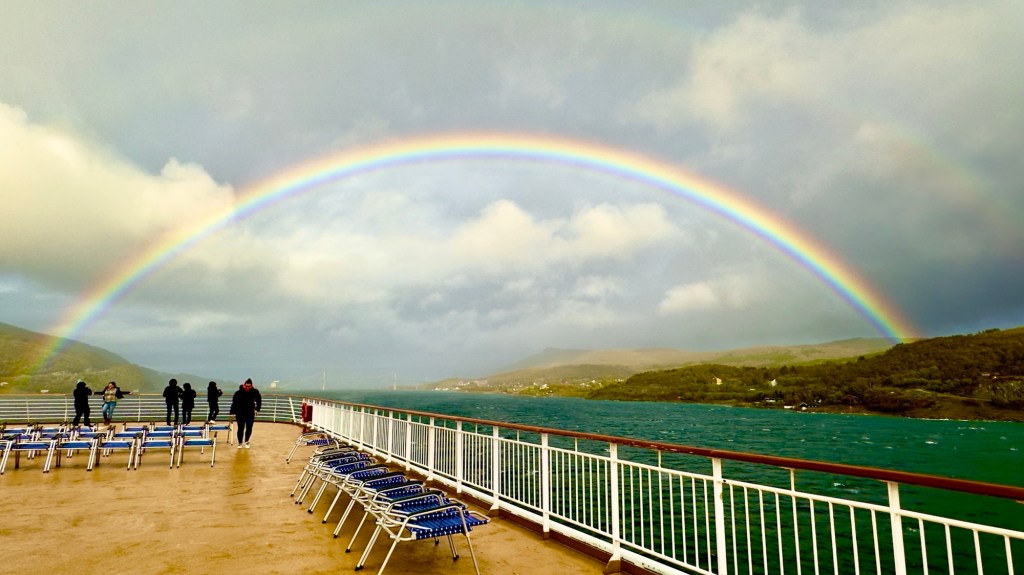
A double rainbow is just visible on the second photo
We sailed along in pretty good weather until about 16:30, when the water in the fjord began to get rougher again. The captain had warned us earlier that we were in for a pretty bumpy ride, mainly to do with force 8 and force 9 winds, which would continue for 5-6 hours on the straits of the Vestfjorden, until we reach the calmer waters of the inner fjords.
The Captain was totally on point. When we went for our evening gastronomic event, the boat was moving up and down quite noticeably although it wasn’t rocking from side to side because we had a head wind.
How on earth the staff managed to serve wine, walk with food and everything else I will never know. They obviously have got good sea legs.
Anyway, the evening meal consisted of the following:
First course – cheese cream, umberto ham lingonberry, brioche;
Second course – variations of Jerusalem artichoke;
Third course – turbot, broccoli, smoked butter sauce with bottarga;
Fourth course – mild master cheese, roasted sunflower seeds, pines;
Fifth course – chocolate pate, raspberry sorbet, chocolate crisp.
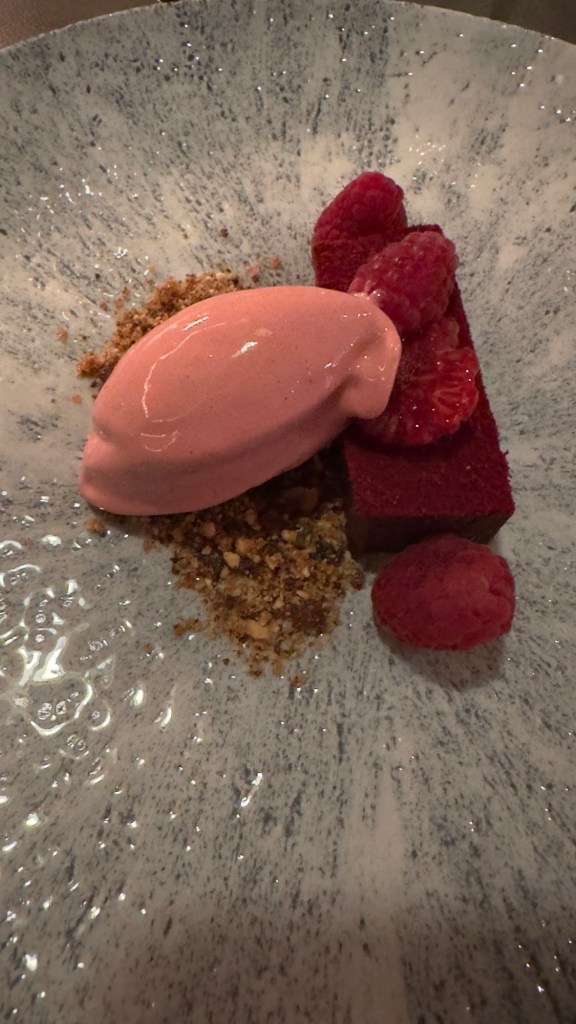
Chocolate pate, raspberry sorbet and chocolate crisp – Tina’s all-time favourite dessert
Once we had eaten we made a wobbly journey towards Bar 1893. This is at the front of the ship and we could definitely feel more of the ship’s movements here. JC had asked for any sort of drink with ginger in it, to try and keep our stomachs settled. We had an Oslo mule, which is made from aquavit, lemon and ginger beer. It must have settled me because I didn’t wake up until nearly 7am the morning after!
 jctraveller
Leave a comment